
Why we think The Netherlands will win the World Cup in 2026
We consider why The Netherlands World Cup 2026 campaign holds promise, shaped by strategic vision and a history of footballing excellence.
SPORTTOP BLOGS
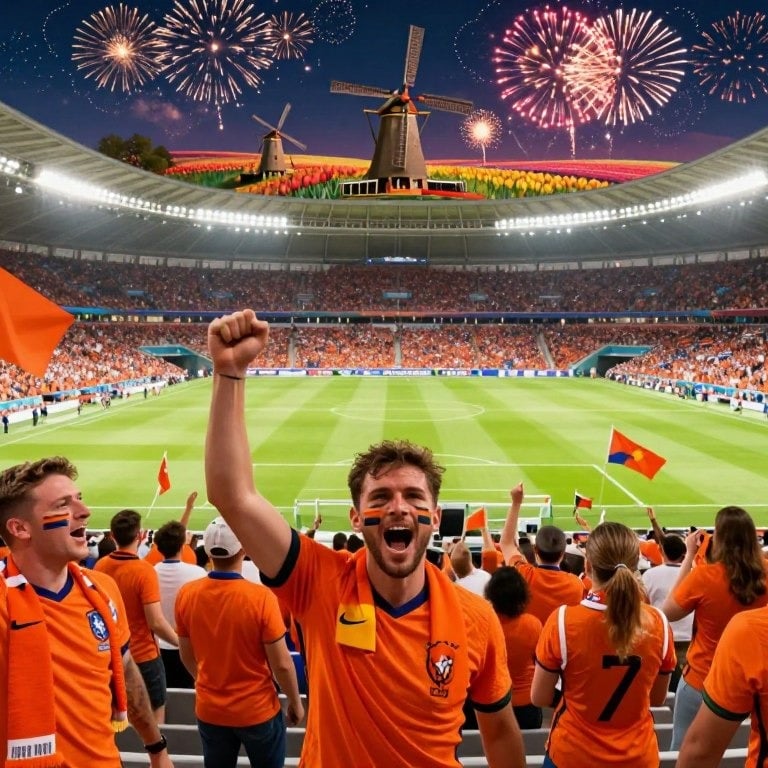
Why we think The Netherlands will win the World Cup in 2026
Predictive models often find it hard to predict sports. But, recent forecasts for The Netherlands World Cup campaign are worth a closer look. We see a unique combination of strengths and tactical skill in the Oranje.
By mixing historical data with an eye for modern trends, we spot a formidable contender. Our analysis goes beyond guesswork. It shows why this team could win a World Cup trophy. The way they prepare for World Cup 2026 is changing.
Key Takeaways
Statistical anomalies suggest a high probability of success for the Dutch side.
Systemic organisational changes have bolstered defensive stability.
Tactical flexibility allows the team to adapt against diverse international opponents.
Recent performance metrics indicate a peak in player development cycles.
Strategic preparation prioritises long-term consistency over short-term gains.
The Tactical Evolution of the Oranje
Looking back at Dutch football's roots is interesting. But the tactical evolution of the Oranje today is even more captivating. The legacy of Total Football is still key, but modern football demands a more detailed strategy to win globally.
Adapting Total Football for the Modern Era
The old Total Football idea was about players who could play anywhere. Now, we see a smarter version where players are given clear, detailed instructions. They're not just attackers or defenders; they're dynamic components in a team that changes shape.
This change helps the team keep control, even when pressed hard by opponents. By focusing on knowing the space, they create paths for the ball that opponents find hard to predict. It's a mix of old-school flair and contemporary intelligence.
Defensive Solidity and Tactical Flexibility
The Oranje has also become more defensive-minded. They've moved from just playing to win to a more pragmatic framework that keeps the backline safe while still attacking. This balance is crucial for success in big tournaments like the World Cup.
The team now shows great tactical flexibility, changing their shape to counter different opponents. They can switch to a back three or stay tight in midfield. This flexibility keeps them competitive against top teams from around the world.
The Rise of a New Generation of Talent
The Dutch footballing philosophy lives on through a new wave of young talent. This change is not just about replacing old players. It's about changing how the game is played at the top level.
This fresh energy is key to keeping the national team's standards high. These young players mix old-school tactics with new athleticism. They're changing what it means to play for the Netherlands.

Emerging Stars in European Leagues
Young players are making big impacts in top European leagues. They handle the pressure well, often setting the pace against experienced opponents.
They quickly adapt to different playing styles. This shows their early training is paying off. Key traits of this Dutch talent include:
Exceptional spatial awareness and positional intelligence.
Technical skill in tight spaces, like classic Total Football.
Flexibility in defensive play.
The Impact of Youth Development Academies
The success of these players comes from tough training in youth academies. These places focus on technical skills from a young age. They make sure every player knows the footballing philosophy before they join the seniors.
These academies blend brain training with physical fitness. This way, players think fast and move fast. They keep the Total Football spirit alive in every young star.
The constant flow of top Dutch football players is not a coincidence. It's the result of a long-term plan to invest in the next generation. This keeps the national team strong in international games.
Strategic Leadership Under Ronald Koeman
The journey to international success often depends on a manager who can link tactics with team spirit. Ronald Koeman is at the heart of this effort. He aims to turn a talented group into a strong team ready to face the world's top teams.
Experience and Tactical Acumen
Ronald Koeman brings a wealth of experience to the team. As a player and manager, he knows the pressure of big tournaments. This knowledge helps him balance his tough side with a focus on winning.
He combines practicality with a desire to win. Koeman knows that while plans are crucial, being able to change them during a game is key. His skills keep the team disciplined yet free to play their best Oranje football.
Building a Cohesive Team Culture
The manager values the team's mental health as much as its skills. He believes a strong team is built on support and trust. This approach is key for developing the next Dutch talent.
To build this unity, the team focuses on a few key areas:
Clear Communication: Making sure every player knows their role in the team.
Mutual Respect: Creating a team where everyone supports each other, no matter their experience.
Shared Ambition: Aligning personal goals with the team's aim to win the tournament.
Koeman's leadership balances strict tactics with caring for his players. This approach builds a strong foundation for success. It ensures that each player's talent is used for the team's benefit.
Analysing The Netherlands World Cup Qualification Path
Every match in the qualification phase was crucial for the team. It's not just about winning points. It's about building a tactical identity under pressure. Looking at these games helps us see how the team adapts to different situations.
Navigating the European Qualifying Campaign
The European qualifying campaign was tough for the Oranje. They faced many defensive strategies and high-pressing systems. This showed their tactical flexibility, a key trait in top international football.
They learned to control the game, even when opponents tried to disrupt them. This was a big step forward.
"True progress is measured by how a team responds when the initial plan faces resistance on the pitch."
This growth period helped the coaches refine their tactics. For more on the team's development, check out this The Netherlands World Cup 2026 preview. It focuses on the players who stood out during these critical games.
Building Momentum Through Competitive Fixtures
Building momentum is key for any team aiming for success in international football. The squad used these tough games to strengthen their defence and keep an attacking edge. They made big strides in three main areas:
Positional Discipline: Keeping shape during defensive shifts.
Clinical Finishing: Turning few chances into crucial goals.
Mental Resilience: Staying focused in intense, late-game situations.
Looking ahead, the team's preparation is solid. The Netherlands World Cup journey is marked by learning from every game. We believe this foundation will help them in the tournament's high-pressure environment.
The Strength of the Dutch Midfield Engine
The heart of any top team in international football is its midfield. The current Dutch squad has a group of players who set the pace. They are the key to the team's success on the world stage.
Controlling the Tempo of the Game
The Dutch midfield is known for controlling the game's speed. They keep the ball, making opponents tired and vulnerable. This strategy lets the team dominate against tough opponents.
This group focuses on technical skill and knowing where everyone is. They don't just pass the ball; they orchestrate the team's movement. This control keeps the team calm, setting up for attacks.
Versatility in Transition and Possession
Modern games are won in quick transitions. The midfield must switch between defence and offence fast. This needs stamina and smart thinking from each player.
This team works together well. When they lose the ball, they defend strongly. When they get it back, they create chances. This flexibility makes them hard to beat in international football.
This mix of defence and attack makes the team strong in all game phases. We think this balance is crucial for success in future tournaments.
Defensive Resilience and Goalkeeping Depth
The Dutch approach to defending has changed a lot lately. We now focus more on smart play than just physical strength. This change helps the team stay strong against tough opponents.
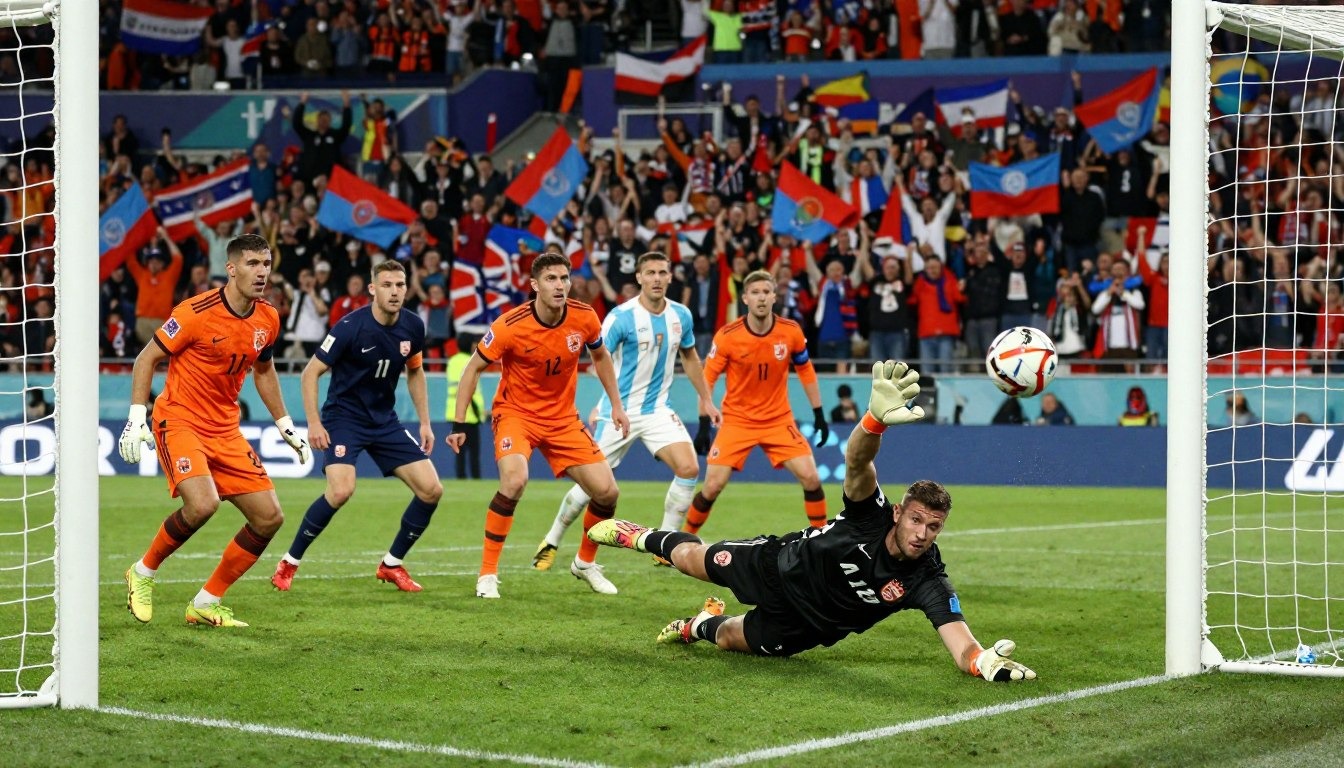
The Evolution of the Modern Dutch Centre-Back
Today's Dutch centre-backs need to be good with the ball and in physical battles. This skill lets the team start attacks smoothly. Virgil van Dijk leads the way with his unmatched game understanding.
His skill keeps our attackers safe, letting them play freely. This balance is key in big games, like the Netherlands-Japan draw. Here, solid defence was crucial.
Reliability Between the Sticks
Our goalkeepers are also key to our strategy. They are great at stopping shots and passing the ball. This means our team can compete well, no matter who's in goal.
With a solid defence, the team can play more confidently. A good goalkeeper lets the defence push forward. Virgil van Dijk and our goalkeeping depth make our defence very strong.
The Psychological Edge and Tournament Mentality
The mental state of a team is just as important as its tactics. In the World Cup 2026, teams need both skill and a strong tournament mentality. The ability to handle pressure can make all the difference between winning and losing.
Overcoming Historical Heartbreak
The Dutch national team has a rich history, filled with both triumphs and setbacks. Overcoming these past disappointments is crucial for success. By learning from the past, the team can use these experiences to motivate them.
Reflecting on past games, like the knockout matches of recent years, helps players stay calm. This reflection builds the resilience needed to perform under pressure. A team that knows its history is more likely to write a new, successful chapter.
Developing a Winning Mindset for Major Stages
Leaders like Virgil van Dijk are key in building this mental strength. He provides the calm and authority needed in tough games. His leadership helps the team stay focused, no matter the opponent or the situation.
Building a winning mindset requires discipline and a shared goal. When everyone is working towards the same goal, the team becomes almost unbeatable. Below is a table showing the key psychological traits needed for success in the tournament.
Attribute - Impact on Performance - Strategic Value
Emotional Regulation - Reduces unforced errors - High
Collective Focus - Improves tactical execution - Critical
Resilience - Enables recovery from setbacks - High
Leadership Presence - Stabilises team morale - Essential
Tactical Versatility Against Global Opponents
Success on the global stage is not just about talent. It also needs a smart approach to tactics. The modern game is all about quick changes in play. Under Ronald Koeman, the team has moved away from fixed structures. Instead, they focus on smart, flexible movements.

Adjusting to Different Styles of Play
The tactical evolution of the national side is clear in how they face different opponents. They don't stick to one way of playing. Instead, they prepare to switch between strong defence and aggressive attacks. This makes them hard to predict, no matter who they play.
Keeping a strong defence is key during these changes. The team makes sure their backline stays tight while the midfield moves. This keeps them safe and lets them change formation smoothly.
Exploiting Weaknesses in Elite Teams
To beat the world's top teams, we need deep analysis and precise play. Ronald Koeman focuses on finding the weak spots of top teams. This could be a slow midfield or a weak defensive line. By targeting these areas, the team can gain an edge in big games.
This careful planning sets the team apart. Being able to adjust quickly shows their growth. We think this focus on tactical evolution and strong defence is the key to success in 2026.
Opponent Style - Primary Strategy - Key Focus Area
High-Pressing Teams - Direct Transition - Midfield Tempo Contro
lDefensive Blocks - Width and Overlap - Exploiting Half-Spaces
Counter-Attacking Sides - Controlled Possession - Defensive Transition Speed
The Influence of the Dutch Diaspora and Global Experience
The modern Dutch squad is a mix of global experiences and different football backgrounds. We think the strength of Dutch football comes from learning worldwide. Players gain knowledge from tough environments, making the team stronger.
Players Competing in Top-Tier Leagues
Our players are regulars in the Premier League, La Liga, and Serie A. These leagues are very demanding. This helps the Dutch midfield get used to fast-paced games and quick changes.
This experience is key when facing teams with different tactics.
Adaptability to high-tempo physical play.
Mastery of varied defensive structures.
Enhanced decision-making under extreme pressure.
Integrating Diverse Footballing Philosophies
Our team's unpredictability comes from mixing different footballing philosophy styles. As the modern game is global, our players bring new tactics. They mix Dutch possession with defensive skills from other leagues.
"True tactical evolution occurs when a team stops viewing itself as a closed system and begins to absorb the best traits of its global rivals." - Tactical Analyst
This global view makes our Dutch midfield the team's core. By using these experiences, we face challenges from different cultures better. This footballing philosophy makes us a strong, adaptable team in Dutch football.
Conclusion
The recent dominant performance against Sweden shows a team that has overcome past challenges. They mix individual talent, like Cody Gakpo and Crysencio Summerville, with a rare team discipline.
This team has the right mindset for the World Cup. They combine Virgil van Dijk's defensive strength with the creativity of the new generation. This mix could lead to lasting success.
Their dream is to win the World Cup. They're good at turning chances into wins, showing they can take on the best. This skill could help them challenge the sport's top teams.
We think they're set for a strong run in the tournament. They need to keep their focus, but they have a solid base for success. We're excited to see how they progress towards their historic goal.
Love the World Cup? Read our blog article about The history of the Fifa World Cup.
FAQ
Why do we believe the Netherlands are genuine contenders for the FIFA World Cup 2026?
The Oranje squad shows a mix of statistical anomalies and systemic stability. They've moved past just being potential. They've built a strong qualification journey and a deep squad.
Looking at their structural strengths, we see a team ready for big tournaments. They have the maturity to handle the pressure.
How has the philosophy of Total Football evolved in the modern era?
The Cruyffian principles have changed a lot. Ronald Koeman has made the team more tactically flexible. They still play possession-based football but are also defensively solid.
This change lets them tackle tough defences with skill and precision.
What impact do the Dutch youth academies have on the national team's success?
The Ajax, PSV Eindhoven, and Feyenoord academies are key. They produce emerging stars ready for top leagues like the Premier League and Bundesliga.
This rigorous training environment helps young players come into the senior team with tactical discipline.
Can the Dutch defence withstand the pressure of elite global attackers?
The defensive foundations of the current squad are very strong. Virgil van Dijk leads the modern Dutch centre-back with great influence in both build-up phase and physical duels.
The reliability of the goalkeeping unit adds a layer of security. This lets the team's creative players play freely.
How vital is the role of Frenkie de Jong in the Dutch midfield engine?
A: Frenkie de Jong is crucial to the team's midfield engine. He controls the game's tempo and navigates transitions with versatility. This allows the Netherlands to dictate play against different opponents.
His tactical acumen is key to the team's ability to dominate ball possession in big games.
How is the squad addressing the psychological weight of historical tournament heartbreak?
The team is focusing on mental fortitude and a winning mindset. They've built a supportive team culture and rely on strategic leadership.
This approach helps them face historical narratives with confidence. It's crucial for the World Cup knockout stage.
Does the experience of the Dutch diaspora in global leagues benefit the national team?
Yes, it does. The diverse footballing philosophies gained by players in top clubs like Liverpool FC, Barcelona, and Bayern Munich enrich the national team. This global experience gives the Oranje the tactical versatility to adapt against global opponents.
What did we learn from the recent European qualifying campaign?
The qualification path was a proving ground. It helped the team build momentum through competitive fixtures. They showed they can adapt to different tactics.
This preparation is key to our belief in their 2026 chances.
The Powerful Blog © 2026
The Powerful Blog informs and inspires the generation of today and tomorrow through honest insights, emerging trends, and meaningful stories that shape our understanding of the world.
Reframe your inbox
Subscribe to our newsletter and never miss a blog.
We care about your data in our privacy policy.