
We Reflect on Illegal Immigration and Its Complexities
Join us as we thoughtfully examine illegal immigration’s complexities. For more in-depth articles, visit www.thepowerfulblog.com.
NEWSTOP BLOGS
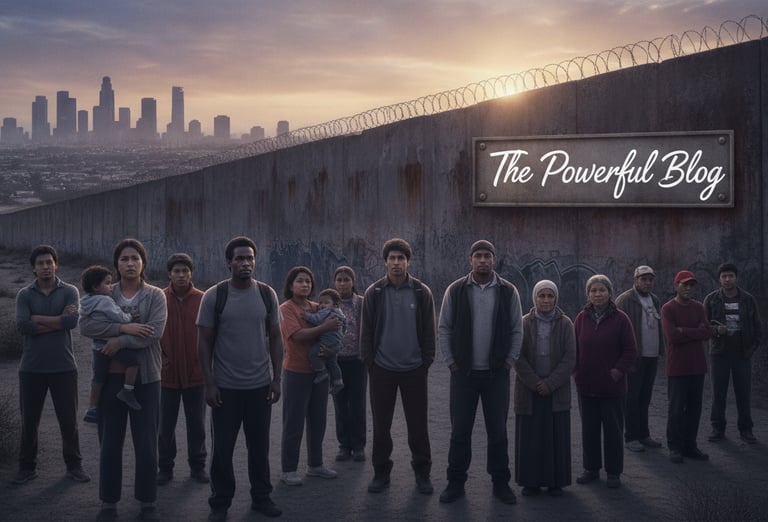
We Reflect on Illegal Immigration and Its Complexities
Have you ever thought about how people moving across borders changes our national identity? As we see changes in global demographics, talking about illegal immigration is key to our future.
In 2022, almost 14 per cent of the U.S. population was born abroad. This shows us the importance of looking at how people move and our immigration policy.
These trends show us a changing world. Understanding these patterns helps us see beyond simple stories. Join us as we delve deeper into these complexities.
For more thought-provoking content, visit www.thepowerfulblog.com.
Key Takeaways
Global movement continues to reshape modern national identities and social structures.
Statistical data highlights the growing scale of international populations within host nations.
Current immigration policy frameworks often struggle to address the realities of modern migration.
We must prioritise nuanced dialogue to move past polarised public debates.
Analysing demographic shifts provides essential context for future legislative decisions.
Understanding the Definition of Illegal Immigration
Understanding who can live in a country involves looking at immigration laws. These laws control who can enter and stay. They decide who can live in a country and under what rules.
When people don't follow these rules, they face legal uncertainty. This illegal immigration is more than just breaking the law. It's influenced by global changes and local policies.
The Legal Framework
Keeping borders under control is key for a country's sovereignty. Immigration laws aim to meet economic, security, and humanitarian needs.
But, these laws can make a clear line between those with papers and those without. The legal status of a person often shows the complexity of bureaucracy, not just morality.
"Migration is a fundamental human impulse, yet it is increasingly constrained by the rigid architecture of modern statehood." - Anonymous Scholar
Who Are the Illegal Immigrants?
Looking beyond simple labels, we see the real people behind the numbers. The U.S. estimated there were about eleven million undocumented migrants in 2022.
These people are not all the same. They come for many reasons like work, safety, or a better life. Many undocumented migrants have lived in their new countries for years, helping the economy but without legal status.
The table below gives a quick look at the different statuses in illegal immigration and legal entry:
Status Type - Legal Standing - Primary Characteristic
Citizen - Full Rights - Born or naturalised
Visa Holder - Conditional - Temporary authorised stay
Undocumented - No Legal Status - Lacks formal authorisation
By looking at these categories, we understand the struggles of undocumented migrants better. For more on this topic, visit www.thepowerfulblog.com.
The Reasons Behind Illegal Immigration
The world sees a lot of illegal immigration due to human needs. People rarely leave their homes without a good reason. They are often pushed by hard circumstances that make staying home impossible.
It's key to understand why people move to grasp the refugee crisis and global migration. Looking into these reasons helps us see the human side of the numbers.

Economic Factors
Economic differences are a big reason for migration. Many undocumented migrants move to support their families when local jobs are scarce.
In 2023, Customs and Border Protection caught nearly 2.5 million people trying to cross the U.S. border. This shows how desperate people are for better money.
Political Turmoil
Political problems also push people to leave. When governments fail or rights are ignored, people seek safety as asylum seekers.
This creates a hard cycle of moving. Without law, chaos forces vulnerable people to seek safety elsewhere.
Social Factors
Social issues like discrimination and lost community support also matter. Many move to join family members abroad, starting a chain of migration.
The table below shows the main reasons people migrate:
Factor Category - Primary Driver - Impact Level
Economic - Lack of local jobs - High
Political - State-sponsored violence - Critical
Social - Family reunification - Moderate
Environmental - Resource scarcity - Emerging
For more on these topics, visit www.thepowerfulblog.com. By learning more, we can understand the challenges faced by undocumented migrants and the world.
The Impact on Host Countries
When new people move to a country, it creates a mix of good and bad. The host country tries to welcome them while keeping things stable. This is a tough task.
Economic Contributions
Immigrants help a country's economy a lot. In 2023, they made up 18.6 per cent of the U.S. workforce. This shows how important they are for the economy.
They fill important jobs in tech and farming. They also help pay taxes and bring new ideas. This keeps the economy strong.
Cultural Enrichment
Migration also brings new cultures to a country. This mix of cultures makes communities more lively and interesting.
When countries welcome this change, they get better in many ways. They enjoy new foods and art. They also solve problems better because of different views.
Increased exposure to global culinary and artistic traditions.
Enhanced problem-solving through diverse viewpoints.
Stronger international ties and diplomatic understanding.
Strain on Resources
But, there are also challenges. Managing the flow of people is crucial. It keeps everyone safe.
Handling asylum seekers costs a lot. It also puts pressure on housing, healthcare, and schools. This is especially true during a refugee crisis.
To solve these problems, we need smart policies. These policies should help both the economy and people in need. You can find more articles on www.thepowerfulblog.com.
Legal Versus Illegal Immigration: A Comparative Analysis
The difference between legal and illegal migration is often unclear due to complex rules. It's important to understand that legal and illegal migration have different rules and expectations. This helps us see the complexity in modern policy discussions.


Common Misconceptions
Many people think all immigration is treated the same. But, immigration laws are made up of many different visas and protections. This leads to a simple view of border management.
Also, people often see immigration enforcement as just one thing. But, it's really a mix of tracking visas, doing background checks, and overseeing the system. This keeps the system in order and follows the law.
The Legal Pathways
Legal ways to move to a new country are often ignored in debates. For example, the US gave over a million people legal permanent residency in FY 2022. This shows there are clear paths for those who follow the rules.
Following these paths takes time and strict rules. You can move through work, family ties, or humanitarian reasons. Reading more on www.thepowerfulblog.com can help you understand these processes better.
Feature - Legal Immigration - Illegal Immigration
Entry Method - Authorised Visas - Unauthorised Crossing
Documentation - Verified and Tracked - Lacking Official Status
Legal Standing - Protected by Law - Subject to Removal
Path to Residency - Defined and Clear - Highly Uncertain
The difference between legal and illegal migration is key to a country's sovereignty. Immigration laws set the rules, and immigration enforcement makes sure they're followed. Finding the right balance is a big challenge for every country.
The Role of Technology in Managing Immigration
We're seeing big changes in how countries manage their borders with digital tools. Now, states use advanced tech to keep track of people moving across borders. This has changed old ways of border control into modern digital systems.
Surveillance and Monitoring
Our borders now have a digital watch over them. Tools like sensors, thermal cameras, and drones give authorities a clear view of big areas.
These tools help with immigration enforcement by spotting illegal entries quickly. But, they also make us think about privacy and the right to be left alone. For more on this, check out how tech changes immigration rules in today's world.
"Technology does not merely assist in the management of borders; it fundamentally alters the relationship between the state and the individual seeking entry."
Data Analytics for Immigration Policy
The way we handle immigration has changed a lot with data analytics. Governments use big data to manage legal entry paths, making sure things run smoothly and safely.
In 2023, the US gave over 265,000 visas to skilled workers. This huge task uses smart algorithms to check who's eligible fast.
The good things about using data include:
Increased efficiency in handling lots of applications.
Enhanced security with automated checks and risk assessments.
Better resource allocation for agencies dealing with legal immigration.
By using these digital tools, countries can keep things safe while also bringing in needed talent. For more on this topic, visit www.thepowerfulblog.com and see our other articles.
Human Rights and Legal Implications
Our commitment to justice is shown by how we protect the vulnerable in our laws. The mix of human rights and national laws raises tough questions. It's a big challenge to balance state power with every person's dignity.

Treatment of Illegal Immigrants
Our courts face a huge challenge. By the end of 2023, there were nearly 2.8 million cases waiting. This shows the pressure on those seeking status and the courts.
Effective immigration enforcement must consider human experiences. Delays in justice can harm care and fairness. Recognising these problems is key to a kinder approach.
Legal Protections
Every person deserves fair treatment and justice. Strong immigration laws are needed for order. But they must also offer clear ways to seek protection and justice.
Legal systems must be clear and easy to understand. Protecting rights is not just a legal duty but a moral imperative. For more on these issues, visit www.thepowerfulblog.com.
The Narrative in Media and Politics
Media stories and political messages shape how we see people moving across borders. These stories focus on certain parts of migration, hiding others. This affects how we talk about immigration policy and what we think about it.
Media Bias and Representation
How news covers migration changes what we think. It often shows crisis images instead of the real story of people moving. It's key to understand how media introduces bias to immigration, as it can make us more biased. Balanced reporting helps us see the whole picture.
Using sensational language can make people more divided. This method often chooses excitement over truth, making it hard to create fair immigration policy. By challenging these stories, we can uncover the real stories behind the headlines.
Political Rhetoric
Politicians use our worries to get support for their plans. A Gallup poll in February 2024 found 28 per cent of Americans saw immigration as the biggest problem. This shows how immense power of political framing can focus our attention.
Politicians use this data to push for stricter rules or big changes in immigration policy. When words lead to laws, it can deeply affect us. We need to watch how these messages are used for political gain. For more on these issues, check out www.thepowerfulblog.com.
The Consequences of Illegal Immigration
We must face the deep and lasting effects of strict immigration enforcement policies. These actions go beyond just numbers, touching on human dignity and social stability. It's crucial to see how these policies affect people's lives.

Detention and Deportation
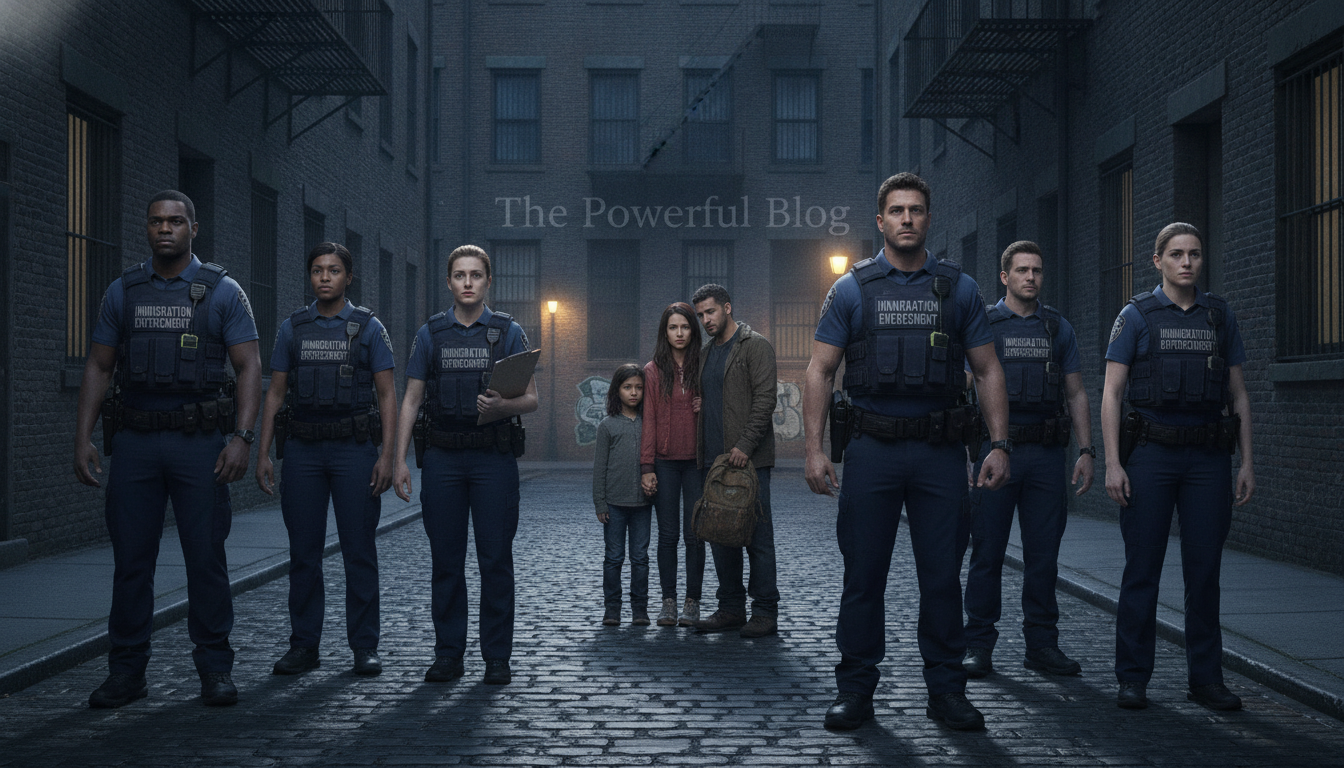
Removal actions are seen as legal, but they deeply disrupt lives. The Obama administration deported about three million people. This number is higher than many past presidents.
High levels of immigration enforcement show a strong border management approach. Some say it's for national security. Others argue it puts a lot of pressure on those who have built lives in their communities for years.
Family Separation
One of the toughest parts of these policies is family separation. When a main caregiver is detained or deported, families face big challenges. This fragmentation can cause lasting trauma for generations.
The effects of these policies spread to schools, businesses, and community groups. The uncertainty around immigration enforcement makes people afraid to get help or join in public activities. For more on this, read more articles like this on www.thepowerfulblog.com.
Policy Area - Primary Impact - Social Consequence
Detention - Loss of liberty - Community instability
Deportation - Forced relocation - Family fragmentation
Enforcement - Heightened surveillance - Reduced social trust
The aim of making America safer through strict borders must consider the human cost. We need a thoughtful conversation that respects both the law and human connection.
International Responses to Illegal Immigration
Dealing with the reasons behind people moving is a job for everyone. It's not just a local problem but a worldwide issue needing shared responsibility. By working together, countries can handle the challenges of people moving better.
The Role of NGOs
Non-governmental organisations (NGOs) play a key role in helping people. They offer vital services to asylum seekers who are in tough spots. These groups help connect state policies with the real needs of people on the ground.
NGOs push for policies that respect human rights. They highlight the big issues that lead to migration. Their work is indispensable in keeping the dignity of those affected by big changes.
Cooperation Between Nations
Good border control needs teamwork, not going it alone. In 2014, the Obama administration gave $750 million to Central America. This was to make life better there, so people wouldn't have to leave.
Investing in long-term stability is key to solving the refugee crisis. When countries work together, they can make a safer place for all. We think this is the best way to move forward.
Strategy Type - Primary Focus - Key Outcome
Humanitarian Aid - Immediate relief - Reduced suffering
Diplomatic Funding - Root cause mitigation - Long-term stability
Policy Alignment - Border management - Orderly processes
Check out more on these topics at www.thepowerfulblog.com. Knowing about these global issues is key for any talk on migration's future.
Future Directions for Immigration Policy
We need a new way to think about global movement. It's time to create systems that respect human dignity and keep nations safe.
The Biden administration has set the refugee cap at 125,000 for 2022–24. This change shows a new approach to international duties. Finding a balance between helping people and controlling borders is key to good immigration policy.
Why do some people hate Donald Trump? Read our thoughts here.
Suggestions for Reform
We think making legal paths easier will help. This way, fewer people will take dangerous routes. It's important to use facts to solve the problems that lead to migration.
A fair system protects people's rights and keeps the country strong. To learn more, read articles on www.thepowerfulblog.com. Your interest helps us keep talking about how to move people around the world.
FAQ
How significant is the current scale of global migration in the United States?
People moving around is a big deal today. In 2022, immigrants made up nearly 14 per cent of the U.S. population. This shows a big change in our country's people and the need for new immigration rules.
What is the estimated size of the population living outside formalised legal channels?
In 2022, the U.S. government said about eleven million undocumented migrants were living here. This number shows how hard it is to deal with illegal immigration with old laws.
What primary factors are driving the current refugee crisis at the southern border?
Many reasons push people to leave their homes. These include needing money, facing political troubles, and social pressures. In 2023, border control saw a record 2.5 million apprehensions, showing a need for safety and new chances.
How do immigrants contribute to the U.S. economy and workforce?
Immigrants are often seen as a problem, but they're also crucial for the economy. In 2023, they made up 18.6 per cent of the workforce. They help the economy grow, even with the challenges of immigration rules.
Are there still viable legal pathways for residency in the United States?
Yes, there are still ways to legally live in the U.S. In 2022, over a million people got legal permanent residency. This shows that, despite its complexity, the immigration system still works.
In what ways is technology being integrated into border control and visa processing?
Technology plays a big role in border control today. For example, in 2023, the U.S. gave over 265,000 H1B visas. This process uses advanced data and digital systems to make immigration easier.
What is the current state of the judicial system regarding asylum seekers and status cases?
The courts are facing a huge challenge. By the end of 2023, there were 2.8 million cases waiting. This backlog makes it hard to ensure fair treatment for asylum seekers.
How does political rhetoric influence public perception of migration?
How politicians talk about immigration matters a lot. In February 2024, 28 per cent of Americans said immigration was the biggest issue. This shows how words can shape opinions on illegal immigration and what it means to be American.
What are the human consequences of strict immigration enforcement and deportation?
Strict rules and deportations hurt families and communities. For example, the Obama administration deported about three million people. This can cause family splits and make communities unstable.
How can international cooperation address the root causes of the refugee crisis?
Solving migration needs global action. In 2014, the U.S. gave $750 million to Central America. This shows how countries and groups can work together to help people stay in their homes.
What recent shifts have occurred in U.S. policy regarding refugees?
The U.S. has made some changes. The Biden administration raised the refugee cap to 125,000 for 2022-24. This shows a move to balance strict immigration rules with helping those in need.
The Powerful Blog © 2026
The Powerful Blog informs and inspires the generation of today and tomorrow through honest insights, emerging trends, and meaningful stories that shape our understanding of the world.
Reframe your inbox
Subscribe to our newsletter and never miss a blog.
We care about your data in our privacy policy.