
Why do people hate Donald Trump A Measured Exploration
Why do people hate Donald Trump A measured exploration offering clarity and depth Read more articles like this on www.thepowerfulblog.com
NEWSTOP BLOGS
Why Do People Hate Donald Trump: A Measured Exploration
What causes the strong divisions in our politics today? We often wonder why people react so strongly to certain figures. To understand the feelings around the former President, we need to look deeper than just the surface.
t's crucial to tackle this topic with intellectual rigour. By looking at the deeper social issues, we can understand why people feel so strongly. Many believe that why we hate Trump is a key question in today's discussions. Join us as we delve into these complexities in a world filled with information.
Understanding these dynamics means staying open-minded and curious. We aim to link different ideas to show how we view leadership today. For more articles like this, visit www.thepowerfulblog.com.
Key Takeaways
Public opinion is often shaped by deep-seated societal issues, not just individual traits.
Intellectual rigour is needed to go beyond media stories and understand political divisions.
Anti-elite feelings play a big role in modern Western politics, affecting how people vote.
People often choose sides based on opposition to old institutions, not just agreement with a candidate.
We aim to offer a balanced view to help readers understand today's political debates.
The Roots of Opposition to Trump
To grasp the depth of today's political debates, we must look at what drives public opinion. The Donald Trump criticisms that arose during his time in office were not just quick reactions. They were rooted in big changes in the political scene.
Using certain words can make social gaps wider. When leaders speak aggressively, it often leads to more tension. This tension is a key part of the backlash against Donald Trump and his team.
Political Polarisation and Divisiveness
Today, political divisions are more common than ever. Studies by Piazza (2020a) show that inflammatory speeches by politicians make these divisions worse. This can increase the chance of unrest at home.
This cycle of division is not a mistake. It's a result of how modern media makes conflict louder. By focusing on the shocking rather than the detailed, public talks often make the gap between different views bigger.
Factor - Impact on Society - Resulting Sentiment
Hostile Rhetoric - High Polarisation - Increased Hostility
Media Echo Chambers - Reduced Dialogue - Confirmation Bias
Policy Disagreements - Institutional Strain - Public Distrust
Understanding these roots is key for any deep look into today's politics. We encourage you to check out more articles like this on www.thepowerfulblog.com. There, you can learn more about how these forces shape our world.
Major Events that Shaped Public Perception
The journey of public opinion on Donald Trump was full of ups and downs. Big political events often cause sudden changes in how people feel. Looking back at these moments helps us understand today's conversations.

The 2016 Presidential Campaign
The 2016 campaign was a big change in politics. It broke old rules and made voters think differently. This time changed how people saw change in politics.
The campaign was also about culture, not just policies. It showed us how divided we are. For more on this, check out www.thepowerfulblog.com.
The Impeachment Trials
The impeachment trials were very serious. They made everyone think about power and responsibility. Public opinion on Donald Trump changed a lot during this time, showing people's deep worries.
"History is a relentless master."
The administration faced many challenges, like record-low approval ratings. These moments show how hard it is to keep trust in politics. Learning about these moments helps us understand public opinion on Donald Trump and its impact on government.
These events were more than just news. They showed a nation trying to find itself. By looking at these times, we can see how our future is shaped.
Controversial Policies and Decisions
Leaders make choices that shape governance. Donald Trump's decisions sparked a lot of reaction. These choices are key to understanding why some people dislike him.
Immigration Policies
Immigration was a big part of Trump's agenda. But it also caused a lot of trouble. While 39% of Americans trusted his immigration policies, 47% did not.
People worried about the impact on those seeking refuge. These worries linked to debates on anti-discrimination law and protecting the vulnerable. These debates were about values and national identity.
Tax Reforms and Economic Impacts
The 2017 tax overhaul was another point of contention. Supporters said it would boost growth and jobs. But many thought it mainly helped the rich and big companies.
This feeling of unfairness led to anger. When policies seem to help the few, it creates political tension. For more on this, visit www.thepowerfulblog.com.
Policy Area - Primary Goal - Public Sentiment
Immigration - Border Security - Highly Polarised
Tax Reform - Economic Growth - Sceptical
Trade Policy - Market Protection - Controversial
Media Representation of Trump
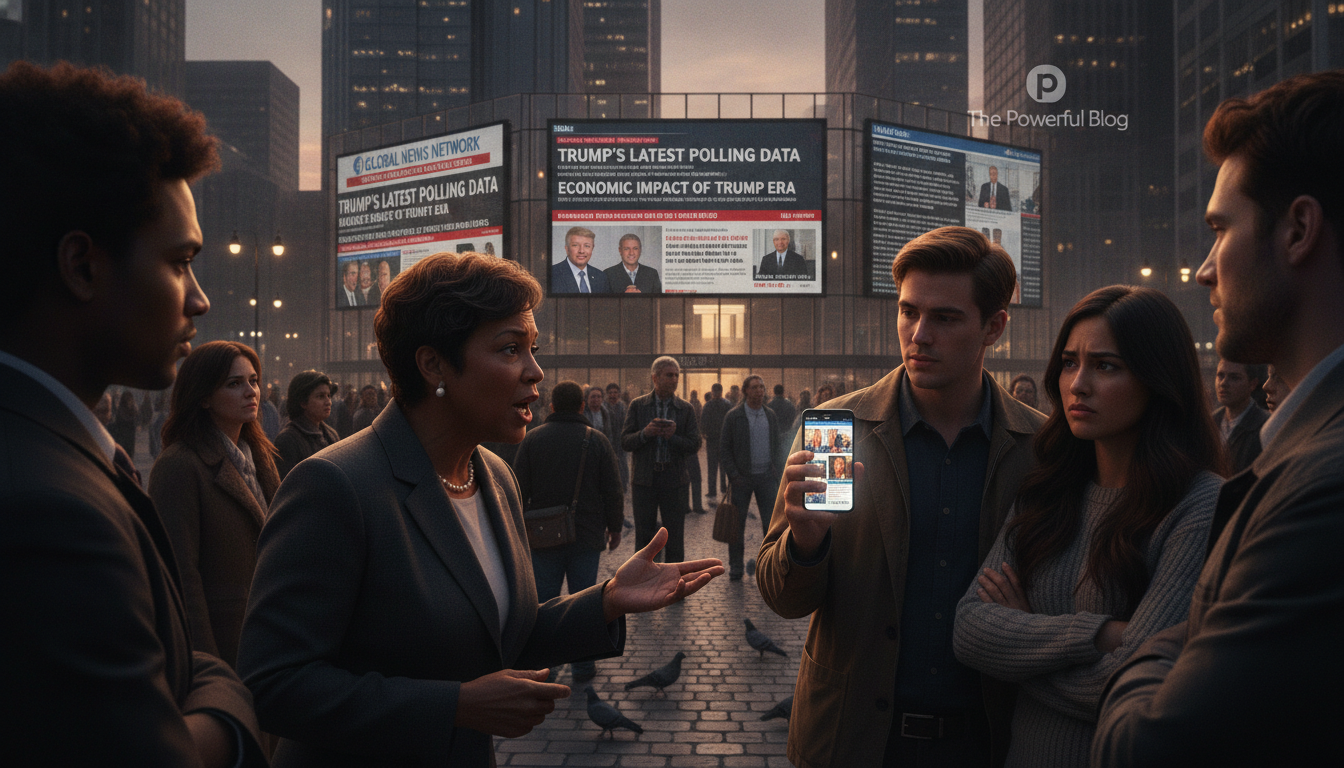
Understanding public opinion on Donald Trump means looking at how media shows his actions. Today, what we see on screens shapes our view of leaders.
This constant flow of news changes how we see power. By looking at how Trump talks directly and how media frames him, we get a clearer picture of his image.
The Role of Social Media
Social media gave Trump a direct way to connect with fans, skipping traditional media. This unfiltered access made his bond with supporters strong but also divided critics.
These digital places often act as echo chambers. Here, opinions on Trump are often strengthened by algorithms that favour engagement over detailed discussions.
Coverage by Traditional News Outlets
Traditional news has been key in shaping Trump's story. Their choices highlight certain traits, affecting how people see his presidency.
Recent studies show 65% see him as arrogant, 54% as corrupt and dishonest. This shows the intense media scrutiny, unlike the views in digital spaces.
Media Type - Primary Strategy - Impact on Perception
Social Media - Direct Communication - High Emotional Engagement
Traditional News - Institutional Framing - Critical Analytical Focus
Digital Outlets - Niche Targeting - Reinforced Ideological Bias
The public opinion on Donald Trump is complex, made from different media views. For more on this, check out www.thepowerfulblog.com.
Personal Conduct and Public Image
Looking beyond laws, we see how leaders' personalities spark strong reactions. Policy debates are crucial, but a leader's character often shapes a nation's mood. For many, the reasons to dislike Donald Trump stem from his unique public persona.
Controversial Statements
About 29% of those who don't like his presidency blame his personality. His blunt words often made people feel uneasy. Critics saw this as a big change from what's expected of a president.
His way of speaking made things worse. By being direct and sometimes aggressive, he broke with usual political talk. For those looking for reasons to dislike Donald Trump, these moments stood out.
Behaviour during Press Conferences
His press conferences showed a different side of him. Unlike usual, scripted talks, these were more like theatrical encounters. He faced journalists head-on, often in a confrontational way.
This approach was seen by many as a way to avoid media filters. While some saw it as bold, others thought it showed a lack of control. These moments gave more reasons to dislike Donald Trump for those who value order and respect in politics. For more on these topics, check out www.thepowerfulblog.com.
Criticism from the Business World
The corporate sector's reaction to certain policies shows the gap between national economic goals and global markets. Looking at the presidency, global markets' response gives us a special view on leadership. Many Donald Trump criticisms came up as business leaders struggled with new economic ideas.
Responses from Key Industries
The business world values stability, but the talk on trade and rules caused a lot of doubt. Big companies in manufacturing and tech worried about tariffs. These Donald Trump criticisms were not just political; they were about real problems with global supply chains.
Financial groups watched these changes closely. Some areas got better with less rules, but others worried about growth. This showed how hard it is to mix home jobs with a global economy.
Impact on Global Trade Relations
The way to handle international trade was different from old ways. Focusing on one-on-one talks instead of group deals got a lot of criticism. These Donald Trump criticisms showed worries about the world's trade rules.
Trade troubles made many big companies think about their plans. The uncertainty made it hard to invest for the future. For more on these economic changes, check out www.thepowerfulblog.com.
Foreign Relations and Diplomacy
International diplomacy is all about finding a balance between different interests. However, the Trump administration often took a different path. This led to a big change from the usual way of working together globally, causing negative views on Donald Trump among many countries.
Relations with NATO and Allies
The relationship between the US and its allies, especially in NATO, got a bit rocky. The administration started questioning how much money each country was contributing. This caused public disagreements that made people doubt the strength of their security together.
This made European leaders feel left out. The criticism of international institutions became a big part of the era. This made people unsure if the US would keep its promises to defend its allies.
Engagement with Authoritarian Regimes
The Trump administration had a unique way of dealing with countries ruled by authoritarian regimes. They focused on making deals that benefited the US, even if it meant ignoring human rights and democracy.
"Diplomacy is the art of letting someone else have your way." - Daniele Vare
Many people thought this "America First" approach was wrong. It made extremist groups feel more confident, as the US stopped supporting democratic movements. These choices are a big reason why negative views on Donald Trump are so common.
Diplomatic Focus - Traditional Approach - Trump Administration
Alliance Strategy - Multilateral Cooperation - Bilateral Transactions
Global Institutions - Active Participation - Sceptical Engagement
Foreign Policy Goal - Democratic Stability - Nationalistic Interests
Understanding these changes is key to understanding today's world politics. For more insights, check out www.thepowerfulblog.com.
Impact on Social Movements
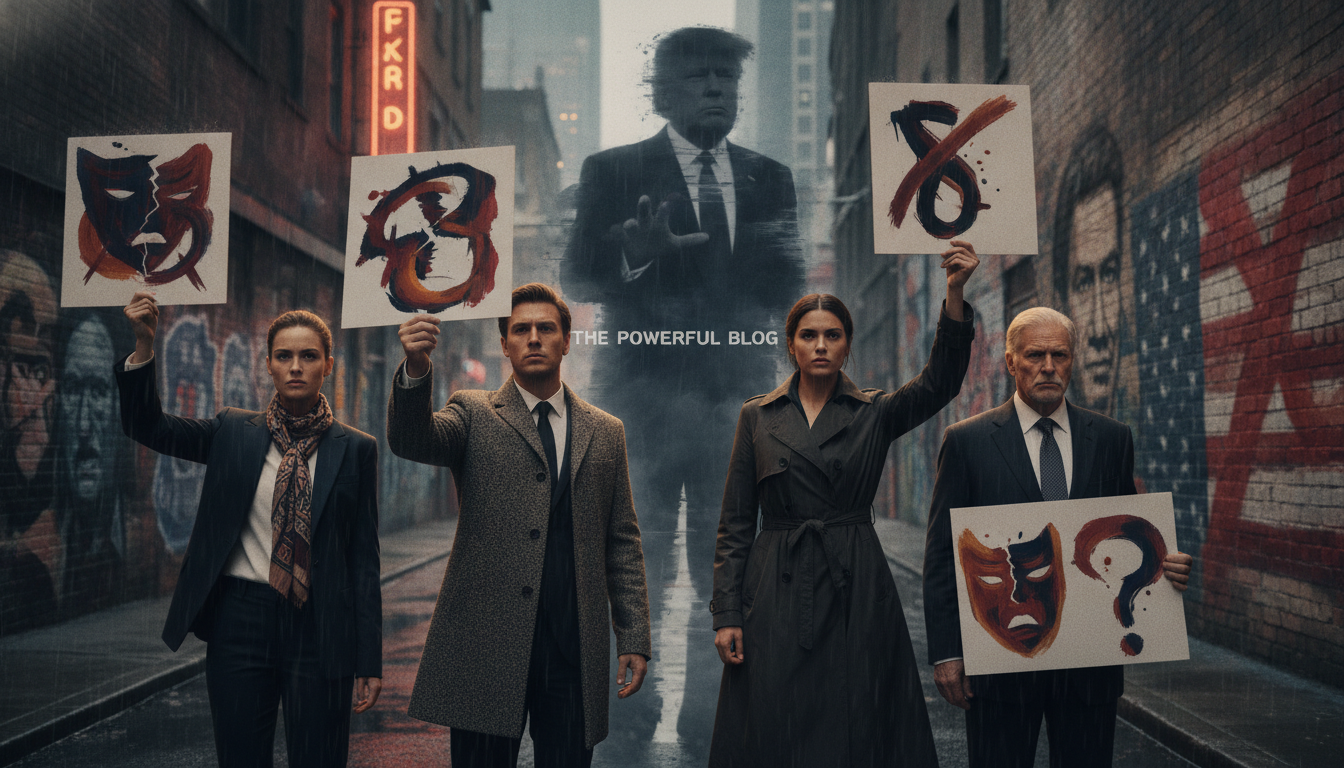
The Trump administration's time in office sparked a wave of grassroots action in the UK and worldwide. People came together, eager to challenge the status quo. This led to a surge in civic engagement, as many sought to change the political landscape.
The Rise of Activism Against Trump
The Trump administration's style of governance was often seen as confrontational. This style alienated many, leading to a rise in public prejudice. As a result, activists organised large protests to express their opposition to what they saw as harmful policies.
This activism was not just a reaction; it was a proactive effort to change the national dialogue. Groups focused on various causes, including environmental protection and gender equality, united in their opposition. They aimed to counter the rhetoric that many felt was divisive.
The Reaction of the Black Lives Matter Movement
The Black Lives Matter movement was at the forefront of this resistance, especially after incidents of police brutality. They pushed for a truthful conversation about racial inequality. Scholars have explored the link between Trump and racism, highlighting its impact on the movement.
Activists believed Trump's policies widened racial gaps rather than closing them. This led to ongoing protests, forcing the public to face uncomfortable truths about bias. For more insights, visit www.thepowerfulblog.com.
Social Movement - Primary Focus - Key Objective
Black Lives Matter - Racial Justice - Systemic Reform
Climate Action Groups - Environmental Policy - Sustainability
Women’s March - Gender Equality - Policy Advocacy
The Psychological Aspect of Trump Hatred
Looking into political animosity, we find it's not just about debates. It's about what's inside our minds. The strongest reactions often come from deep psychological reasons. These reasons help us understand why anti-Trump sentiment has been so strong lately.
Understanding the Hate: Psychological Theories
Experts say that how we talk affects how we act together. When political words get very strong, they can make us more biased. This can lead to a cycle of hate and violence.
"The psychological impact of political rhetoric is not merely a matter of opinion; it is a measurable force that shapes how communities perceive safety and belonging."
When leaders speak in a way that divides, it can make people okay with excluding others. This is key to understanding why anti-Trump sentiment stays strong. Several factors play a part in this:
Trust in institutions starts to break down.
People feel threatened by opposing groups.
Being in echo chambers makes negative feelings worse.
The strong anti-Trump sentiment shows a battle over what our country stands for. By understanding these psychological reasons, we get a better view of our political world. For more on these complex issues, check out www.thepowerfulblog.com.
Conclusion: Where Do We Go from Here?
The political scene is still split, even after Donald Trump left the White House. The strong feelings about his time in office keep affecting talks worldwide.
To understand why some dislike Donald Trump, we must look deeper than just party lines. We need to consider the mix of policies, personalities, and media that marked his presidency.
The ongoing dislike for Trump shows our own deep divisions. We must keep seeking out the full story, even when it's hard to accept.
We aim to cut through the noise in today's world. We encourage you to delve deeper into these topics and understand modern leadership better.
For more articles like this, visit www.thepowerfulblog.com. Thank you for your dedication to thoughtful analysis and seeking knowledge.
FAQ
What are the primary roots of the political polarisation and anti-Trump sentiment observed during his presidency?
The roots of opposition to Trump often stem from hostile rhetoric. This rhetoric has widened existing social gaps. Trump's confrontational style challenged traditional politics, creating a cycle of tension.
This cycle has made political divisions worse in the UK and the US.
How did the 2016 campaign and subsequent impeachment trials influence public opinion on Donald Trump?
The 2016 campaign and impeachment trials were key moments of scrutiny. Trump's unconventional campaign shook traditional politics. The impeachment trials raised questions about his power and accountability.
Why were immigration policies and tax reforms cited as significant reasons to dislike Donald Trump?
Trump's strict immigration policies and the 2017 Tax Cuts and Jobs Act sparked debate. Critics saw these moves as harmful to the economy and society. This led to widespread dislike for Trump.
How did the interplay between social media and traditional news outlets shape negative views on Donald Trump?
Social media and news outlets changed how people saw Trump. His direct tweets often bypassed traditional media. News outlets portrayed his actions as crises, solidifying negative views.
What role did personal conduct and press conference behaviour play in the public image of the presidency?
Trump's personal behaviour and statements were crucial. His confrontational style and controversial comments polarised people. This overshadowed his achievements and fuelled animosity.
How did the business community and global trade partners respond to Donald Trump criticisms regarding his economic approach?
The business world was divided by Trump's economic policies. Some saw benefits in deregulation, but others feared trade wars. The community worried about market disruption and trade agreement changes.
In what ways did his engagement with NATO and authoritarian regimes affect international diplomacy?
Trump's actions challenged international norms. His views on NATO and dealings with leaders like Putin caused unease. This impacted global views of American leadership and security alliances.
How did the Black Lives Matter movement and other social activists respond to the administration’s rhetoric?
Trump's presidency sparked a rise in activism. Movements like Black Lives Matter challenged his policies. They highlighted the power of grassroots groups in pushing for social justice.
Why do people hate Donald Trump according to psychological and sociological frameworks?
Psychological and sociological theories explain the strong dislike for Trump. They suggest that his rhetoric can trigger deep fears. This explains why opposition to him goes beyond policy disagreements.
The Powerful Blog © 2026
The Powerful Blog informs and inspires the generation of today and tomorrow through honest insights, emerging trends, and meaningful stories that shape our understanding of the world.
Reframe your inbox
Subscribe to our newsletter and never miss a blog.
We care about your data in our privacy policy.