
We explore the history of Wembley Stadium together
Join us in exploring the history of Wembley Stadium, tracing its evolution and impact on British culture and sport through the decades.
SPORT
The History of Wembley Stadium
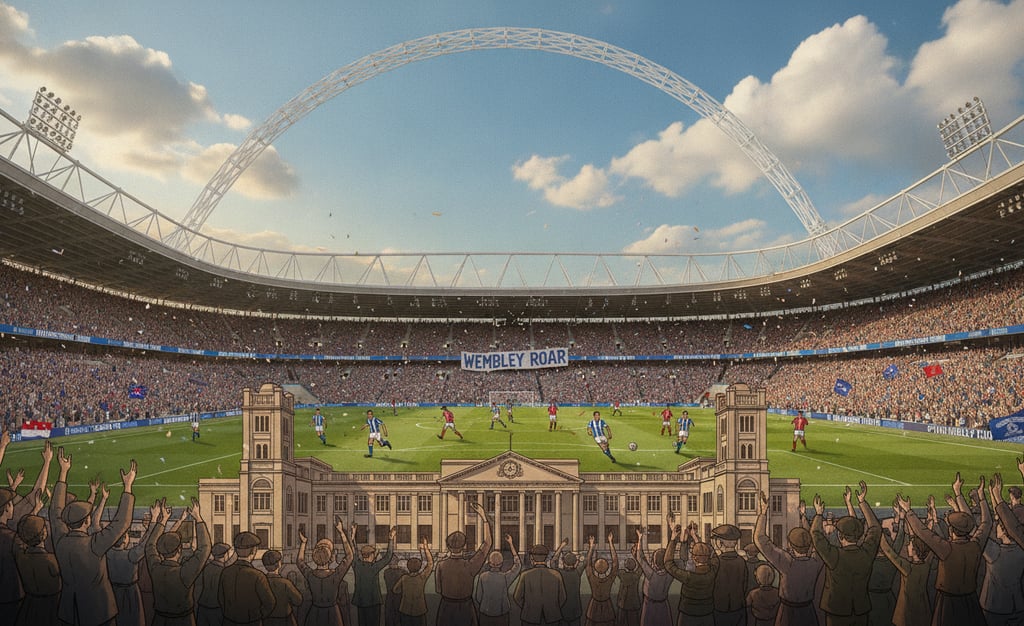
Imagine a crowd of 126,047 people rushing into one place. This number shows the amazing size of the original Empire site. It was during the 1923 FA Cup Final, marking the start of a football legend. Let's explore the Wembley Stadium (1923), a key spot in British football for nearly 80 years.
The Wembley Stadium timeline starts on 28 April 1923. It was first meant for temporary exhibitions but became a lasting cultural gem. It's known worldwide for hosting top events, from Olympics to famous concerts.
Looking into the history of Wembley Stadium shows how a simple project turned into a national treasure. We'll follow its growth, highlighting key moments that shaped its legacy until its closure in 2000. Let's dive into its history to appreciate this architectural wonder.
Key Takeaways
The original venue opened its doors on 28 April 1923 for the famous White Horse Final.
It initially functioned as a centrepiece for the British Empire Exhibition.
The site held a record attendance of 126,047 during its inaugural major football match.
Twin Towers became the most recognised visual trademark of the iconic structure.
The grounds hosted numerous historic events, including the 1966 FIFA World Cup Final.
The Origins of Wembley Stadium
To grasp the history of Wembley Stadium, we must go back to the early 1920s. The site, once home to Watkin’s Tower, was chosen for a grand event. This event would shape a generation and turn a neglected land into a key part of British life.
The 1924 British Empire Exhibition
The stadium was meant to be the heart of the British Empire Exhibition. This huge event took place in 1924 and 1925. It aimed to boost trade and cultural exchange across the Commonwealth.
This was a show of national pride and industrial strength. The project was massive, needing a venue for thousands of visitors at once.
Initial Design Concepts
The design aimed to create a space that was both useful and impressive. The planners wanted a lasting legacy for the nation after the exhibition.
Several Wembley Stadium facts show the original build's ingenuity:
The arena was built quickly to meet the exhibition's deadline.
It used reinforced concrete, a new material for such a big project.
The design focused on sightlines, so everyone could see from anywhere.
Key Architects Involved
The architectural vision was a team effort by top minds of the time. Sir John William Simpson and Maxwell Ayrton led the design. They aimed for a mix of classical beauty and modern practicality.
Sir Owen Williams brought his engineering skills to the project. His work ensured the stadium's strength. Together, they made the world's largest sports arena. Their work is a key part of the history of Wembley Stadium, shaping the iconic venue we know today.
The Iconic Twin Towers
The Wembley Stadium architecture has seen many changes, but the Twin Towers stand out. These structures were more than just parts of the stadium. They were a key part of London's skyline for years.
They watched over the most exciting moments in sports history. Their presence is still remembered today.
The Construction of the Towers
The towers were built for the 1924 British Empire Exhibition. The stadium was finished quickly, showing the ambition of the time. Their white design made them stand out worldwide.
Architectural Significance
The stadium's design included a 39-step climb to the Royal Box. This climb was a hallmark of big finals. It added a theatrical touch that today's venues find hard to match.
The towers brought a sense of grandeur. They helped make the stadium a symbol in people's minds.
Impact on London's Skyline
The towers were a landmark for visitors for many years. They gave the area a sense of scale. Even after they were knocked down in 2002, their memory still shapes our view of the site.
Feature - Original Twin Towers - Modern Stadium
Primary Material - Reinforced Concrete - Steel and Glass
Visual Landmark - Twin Towers - The Arch
Access to Royal Box - 39-Step Climb - Elevator/Escalator
Primary Aesthetic - Classical/Industrial - Contemporary/High-Tech
Major Events Hosted at Wembley
Wembley Stadium is more than just a football ground. It has hosted many international sports and cultural events. Looking into the Wembley Stadium sports history shows how it became a famous landmark worldwide.
FA Cup Finals
The FA Cup final was a big deal in English football for nearly 80 years. From 1923 to 2000, Wembley Stadium was the place for this match every year. These events were not just games; they were moments that united millions.
International Football Matches
Wembley Stadium was also key on the world stage, like during the 1948 Summer Olympics. It was the main spot for the Games, showing its ability to handle big international events. Learn more about the Wembley Stadium events that have left a mark on history.
Concerts and Other Sports
The stadium is not just for football. It has also hosted rugby league, speedway racing, and concerts. These events show Wembley's ability to host any big event.
Music has also played a big role at Wembley, with legendary concerts. By mixing sports and music, Wembley became a global icon. It stands as a symbol of shared human experiences.
The 1966 World Cup Final
Looking back at Wembley Stadium sports history, one day in July 1966 stands out. It was more than a football match. It became a part of the nation's culture. The stadium buzzed with excitement, a feeling few events can match.

A Historic Match
The game between England and West Germany was a display of skill and will. The tension grew, hitting its peak in extra time. The 1966 FIFA World Cup final is still debated, with focus on the controversial goals.
Every move on the field was crucial. The crowd's roar was so loud, it felt like the stadium was shaking. It was a clash of skill and determination, captivating millions.
England’s Victory
Manager Alf Ramsey's guidance was key for England. They fought hard and won 4–2 against West Germany. It was a victory of teamwork and strategy, not just individual talent.
The final whistle was more than a win. It was the result of years of hard work and dreams. The victory is the peak of English football, a moment of greatness on the biggest stage. It made Wembley a place where dreams come true.
Legacy of the Event
The impact of that day is still felt today. It made Wembley a legendary place. This victory is the highlight of Wembley Stadium iconic moments, turning it into a symbol of national pride.
Thinking about this event, we see how it shaped future generations. It raised the bar for sports events. The 1966 legacy is not just a trophy but a shared memory of victory.
The Renovation of Wembley Stadium
The Wembley Stadium redevelopment was a big challenge. It showed ambition and architectural skill. The Wembley Stadium timeline shows how hard it was to change the old Empire Stadium into a new one.
Reasons for the 2002 Demolition
The old stadium couldn't keep up with modern fans by the 2000s. It closed on 7 October 2000. This was a sad day for football fans everywhere.
The stadium was hard to keep up because of old design and lack of modern features. Demolishing it in 2002 was a tough choice. It meant losing a piece of history for the sake of progress.
Modernisation Plans
The new stadium was meant to be top-notch for sports and big events. Architects wanted to keep the heritage of the past while making it modern.
They focused on making it comfortable for fans, with better views and modern facilities. It was a big job to make sure the new design was lasting and respected the old one.
Completion and Reopening in 2007
After lots of hard work, the stadium opened in 2007. Fans were excited to see the new, architecturally stunning place.
The new stadium changed the North London skyline again. It shows the dedication of those who worked on the Wembley Stadium redevelopment.
Architectural Innovations
The modern national stadium marks a big change in how big venues work. It moved from an old design to a new one, changing how space and engineering work. This iconic construction project is a top example of Wembley Stadium architecture. It mixes beauty with practicality.
The New Roof Structure
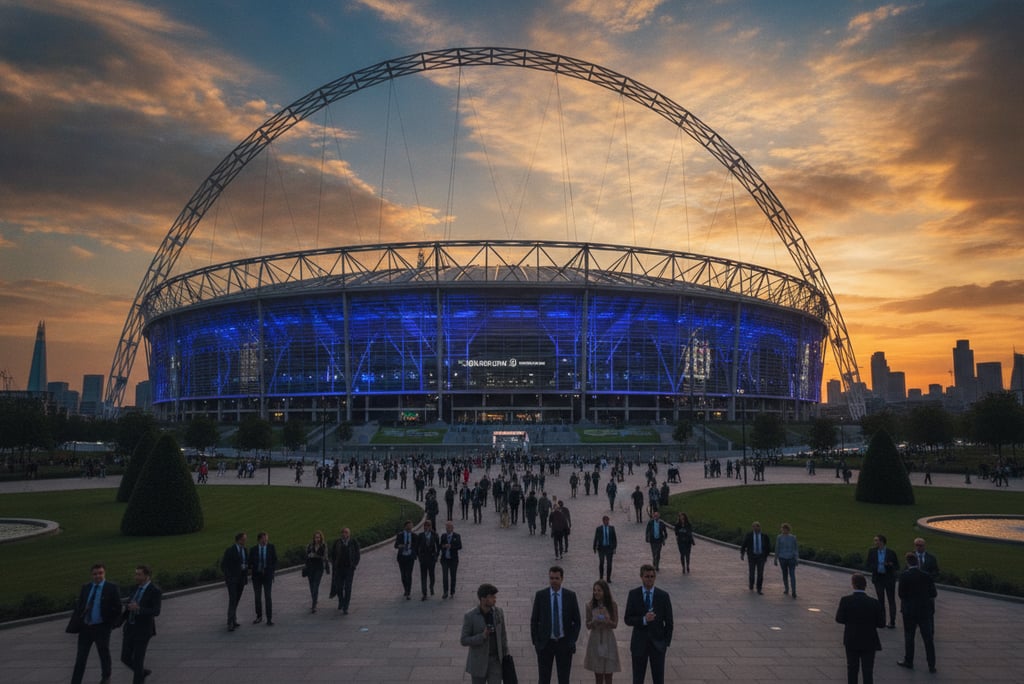
The new design's standout feature is the huge arch that towers over London. It's 133-metres tall and holds up the partially retractable roof. This keeps the pitch dry while letting in fresh air when it's nice outside.
Removing pillars means every seat has a clear view. This makes watching games better for everyone.
Improved Seating and Facilities
Comforting 90,000 fans is a big task. The new design has wider seats, more legroom, and better concourses. These enhanced sightlines make sure everyone feels close to the action.
The stadium now has modern comforts. It's a top place for fans to enjoy games.
Sustainability Initiatives
The stadium also focuses on being green. It uses materials and lights that save energy. These steps help cut down on carbon emissions.
This shows the stadium's commitment to the environment. It's a model for future sports venues to follow.
Wembley Stadium Today
The Wembley Stadium is more than just a sports venue. It's a key part of British culture, hosting sports, music, and community events in north-west London. These Wembley Stadium facts show how it remains a top spot in a global market.
Current Uses and Events
The stadium can hold 90,000 people, making it one of Europe's biggest venues. It hosts many events, from football finals to concerts.
It's a dynamic stage where history is made every day. Whether it's a concert or a big sports event, it meets the needs of today's audiences.
Economic Impact on the Community
The stadium boosts the local economy. It brings in thousands of visitors who help local businesses, hotels, and transport.
Events keep the area lively for business. They create jobs and encourage investment. This shows Wembley Stadium facts are about real benefits to the community.
Visitor Statistics and Popularity
Millions visit the stadium every year. Its fame as a global landmark is clear.
It attracts fans from all over. Its mix of modern comfort and heritage makes it a favourite for events and fans.
Notable Performances and Events
Sport is at the heart of the venue, but it's also a stage for global cultural moments. The stadium has become a top spot for big events. These Wembley Stadium events have left a mark on many, showing it's more than a football field.

Music Concerts of Renown
The site's music history is filled with world-changing performances. The 1985 Live Aid concert stands out as a key Wembley Stadium iconic moment. It showed how music can bring people together in a powerful way.
Since then, the stadium has welcomed legendary acts. Each concert adds to the venue's charm, making it feel like a special place for fans. These shows are key to the stadium's identity.
Huge bands such as Oasis and The Beatles have played sold out concerts at Wembley.
Other Sports and Their Significance
The arena is more than just for football. It hosts wrestling events that draw huge crowds. This shows the stadium's flexibility and appeal.
By hosting different sports, the venue stays relevant. It gives athletes from various fields a chance to shine. This keeps the stadium at the heart of British sports.
Cultural Events Hosted
The site hosts cultural events that mirror society's changes. From religious gatherings to public celebrations, it's a key spot for community events. These events are crucial to the stadium's role in today's world.
These events let people connect with the space in unique ways. They create a sense of community and shared history. The venue remains a cultural landmark for the nation.
The Future of Wembley Stadium
We are at a turning point where history and innovation meet. The stadium is a living symbol of human achievement. It keeps changing to meet the needs of today's fans.
Upcoming Events and Developments
Interest in Wembley Stadium is growing worldwide. Organisers are planning big events. The stadium's redevelopment will make it ready for top-level shows for years.
We look forward to a variety of cultural experiences. These will take live entertainment to new heights.
Continued Legacy in Sports
The stadium's heart beats with the spirit of competition. Future games will add to its legendary past. It will stay the spiritual home of English football.
But it will also welcome new sports. This will keep the stadium at the forefront of sports.
Community Engagement Initiatives
Helping the local community is key for the stadium's team. They are investing in the area. This strengthens bonds with locals and businesses.
The redevelopment aims for sustainable growth. It's making a positive impact on London. Join us to see how Wembley Stadium continues to shape our culture and history.
FAQ
The 1924 British Empire Exhibition
The stadium was meant to be the Empire's showcase. It was built in just 300 days, opening in 1923 for the 'White Horse' FA Cup final. This was a year before the exhibition started.
Initial Design Concepts
The goal was to create the world's largest sports arena. The design focused on grandeur and scale. It used reinforced concrete to support its 125,000-capacity crowd.
Key Architects Involved
The stadium's look and structure came from a team effort. Architects Sir John William Simpson and Maxwell Ayrton worked with engineer Sir Owen Williams. Their vision was brought to life through Williams' engineering skills.
The Twin Towers were a defining feature of London's skyline for nearly eighty years. These structures carried a deep emotional weight, guiding fans to Wembley. They were more than just architecture; they protected the stadium's heritage.
The Construction of the Towers
The towers were built in 1923, inspired by Indian Mughal architecture. They became synonymous with the 'Home of Football', framing the entrance for thousands of fans.
Architectural Significance
The towers added a sense of tradition and ritual. The 39-step climb to the Royal Box was a dream for winning captains. This architectural choice made every final historic.
Impact on London's Skyline
The towers stood tall over Wembley, visible for miles. Their removal in 2002 marked the end of an era for the nation.
The stadium has been a versatile stage for many Wembley Stadium events. It's known for hosting significant cultural and sporting spectacles, not just football.
FA Cup Finals
The FA Cup final is the stadium's most enduring tradition. We trace the history of these matches, filled with dramatic moments in domestic football.
International Football Matches
Wembley is the home of the England national team. It has hosted historic international fixtures, creating unforgettable atmospheres for fans from around the world.
Concerts and Other Sports
Beyond football, the stadium has welcomed various disciplines. It has hosted Rugby League's Challenge Cup, speedway, and world-class concerts, shaping global music.
The 1966 World Cup final made Wembley iconic. It remains the most famous chapter in the stadium's history, a day when England's hopes were realised.
A Historic Match
The match against West Germany captivated the nation. The 4-2 scoreline and the 'ghost goal' debate are still talked about today.
England’s Victory
The image of Bobby Moore lifting the Jules Rimet Trophy is unforgettable. Manager Alf Ramsey's tactics and Geoff Hurst's hat-trick sealed the victory.
Legacy of the Event
This triumph cemented Wembley's status as a 'cathedral of football'. The 1966 victory continues to inspire English footballers.
The transition from the old Empire Stadium to the modern facility was complex. We explore the challenges of modernising the site while preserving its soul.
Reasons for the 2002 Demolition
The original structure needed modernisation by the millennium. The decision to demolish was driven by better sightlines, safety, and amenities.
Modernisation Plans
The goal was to create an iconic successor. The plans included an all-seater stadium with improved spectator experiences.
Completion and Reopening in 2007
After five years, the new Wembley Stadium opened in 2007. It marked a new chapter in the Wembley Stadium timeline.
The Wembley Stadium architecture showcases modern engineering. We explore its features, focusing on both form and function.
The New Roof Structure
The Wembley Arch is a structural marvel. It supports the north roof and the retractable south roof, ensuring perfect views for all.
Improved Seating and Facilities
The new stadium offers comfort the old never could. It has increased legroom, hospitality suites, and enhanced acoustics.
Sustainability Initiatives
The stadium prioritises the environment. It has waste management systems and energy-efficient lighting, ensuring sustainability for future generations.
Today, the stadium is a vibrant hub in north-west London. It remains a premier destination for global events and supports the local community.
Current Uses and Events
The stadium hosts international football, major tournaments, and world-class tours. It continues to attract top Wembley Stadium events.
Economic Impact on the Community
The stadium drives the local economy. It supports businesses and creates jobs, fostering growth in the Wembley area.
Visitor Statistics and Popularity
Millions visit the stadium each year, showing its enduring popularity. The 'Wembley experience' remains a must-see for sports and music fans.
The stadium has hosted some of the most Wembley Stadium iconic moments in cultural history. We revisit performances that have become global experiences.
Music Concerts of Renown
We can't discuss Wembley without mentioning Live Aid in 1985. It united the world through music. Artists like Ed Sheeran and Taylor Swift have also made history here.
Other Sports and Their Significance
The stadium's flexibility is shown by hosting American football, professional wrestling, and boxing. These events have expanded its identity beyond football.
Cultural Events Hosted
Wembley has been the backdrop for moments of great social significance. It serves as a gathering place for the community during celebrations and reflection.
Looking ahead, the stadium is committed to evolving while honouring its past. The history of Wembley Stadium continues to grow with every event.
Upcoming Events and Developments
We anticipate a packed calendar of international football and world-class tours. The stadium will also see technological upgrades to enhance the visitor experience.
Continued Legacy in Sports
The stadium will remain the home of the England team and host major domestic finals. Its role as a 'footballing cathedral' is secure for decades.
Community Engagement Initiatives
The stadium is committed to local outreach and youth development programmes. It invests in the next generation, extending its influence beyond the stadium.
What is the significance of the 1923 date in the history of Wembley Stadium?
1923 marks the completion of the original Empire Stadium. It was built for the 1924 British Empire Exhibition. This event started the Wembley Stadium timeline, making it the premier venue for British sports for nearly eight decades.
Who were the primary figures responsible for the original Wembley Stadium architecture?
Architects Sir John William Simpson and Maxwell Ayrton designed the original stadium. They worked with engineer Sir Owen Williams, who used reinforced concrete for the iconic Twin Towers.
Why is the 1966 World Cup final considered one of the most Wembley Stadium iconic moments?
The 1966 World Cup final saw England defeat West Germany 4-2. This victory on Wembley's turf cemented the stadium's status as a symbol of national pride.
What led to the Wembley Stadium redevelopment and the construction of the new venue?
By the late 1990s, the original stadium needed modernisation for safety and comfort. This led to the 2002 demolition and a five-year construction period, reopening in 2007.
What are some essential Wembley Stadium facts regarding its modern design?
The modern stadium is famous for its 133-metre-high arch, the longest single-span roof structure. It focuses on sustainability initiatives and accessibility, making it a world-class venue.
How has the stadium functioned as a venue for music and other cultural events?
Beyond football, the stadium is legendary for music, hosting Live Aid in 1985. It continues to host the world's biggest acts and diverse events, showcasing its cultural identity.
The Powerful Blog © 2026
The Powerful Blog informs and inspires the generation of today and tomorrow through honest insights, emerging trends, and meaningful stories that shape our understanding of the world.
Reframe your inbox
Subscribe to our newsletter and never miss a blog.
We care about your data in our privacy policy.