What is PPC A Thoughtful Exploration of Pay Per Click
What is PPC explained with quiet authority we offer a measured exploration for curious minds seeking clarity beyond surface-level answers
MARKETING
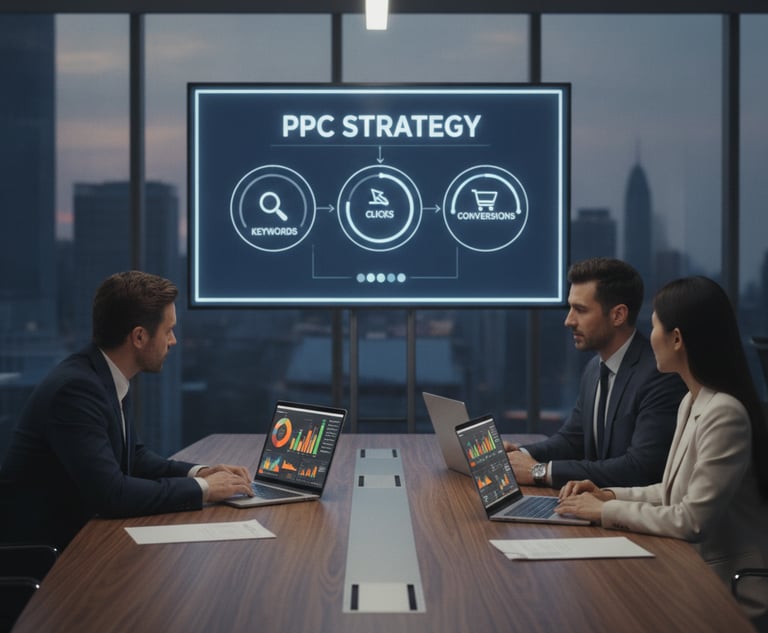
What is PPC? A Thoughtful Exploration of Pay Per Click
Did you know over 90% of online experiences start with a digital search? This shows how the market has moved to focus on what people want right now.
Digital ads might seem like a big, noisy space. But, pay per click is a smart way to grow. It's like a digital billboard, but you only pay when people actually click on it.
Let's dive deeper into these ads. Understanding what is ppc is key for businesses. It's a way to connect with people in a world full of information.
Key Takeaways
Digital ads rely on search to find customers.
It's smart because you only pay for real engagement, not just views.
It lets businesses track how well they're doing and change their plans quickly.
This method helps businesses grow online in a flexible way.
Learning to use these tools can turn casual visitors into loyal customers.
Understanding Pay-Per-Click Advertising
The digital world relies on a system called pay-per-click for visibility. It's not just a cost; it's a strategic investment in reaching the right audience. Businesses pay to show ads when people are looking for what they offer. This is the core of what is ppc today.
Definition and Basics
The ppc definition is simple: it's a model where advertisers pay for each ad click. It's a way to buy site visits instead of trying to get them for free. This method lets brands control their spending and visibility precisely.
This approach turns advertising into a science. It focuses on people who are actually looking for what you offer. It's a deliberate way to connect with interested audiences.
How PPC Works
Pay per click uses an auction system in real-time. When a user searches, an auction decides which ads to show. Advertisers bid on keywords to get those spots.
But the highest bidder doesn't always win. Search engines look for relevance to match ads with user intent. Quality ads can beat out higher bidders.
To succeed in ppc marketing, you need to understand this auction. By matching your keywords with your audience's needs, you create value for both sides. This balance of strategy and tech makes PPC effective for growth.
The Importance of PPC in Digital Marketing
Online promotion has changed a lot, but one thing stands out for quick results. Pay per click is like a spark that boosts our online presence fast. It's different from organic search, which builds up slowly.
Adding ppc marketing to our plans lets us quickly adapt to changes. This way, our message hits the right people when they need it most.

Benefits for Businesses
The main perk of this method is its immediate impact. Unlike slow content plans, paid ads can grab attention fast.
This quickness is key for businesses wanting to grow or launch new products quickly. Plus, ppc advertising lets us tweak our spending and messages on the fly. This ensures every penny is aimed at a clear goal.
"In the world of digital commerce, the ability to be seen exactly when your customer is ready to buy is not just an advantage; it is a necessity for survival."
Role in Online Visibility
Staying visible in a crowded online space needs more than just organic search. Even top brands use pay per click to stay ahead of rivals.
This visibility is crucial to balance out organic efforts. By being at the top of search results, we boost our brand's image. It's not just about getting clicks; it's about a steady, measurable way to grow online.
Key Components of PPC Campaigns
The difference between a good result and a great one often comes down to three key areas. A successful ppc campaign needs more than just money. It requires a thoughtful approach to how people interact with your brand online.
Keyword Research
It all starts with finding out what your audience searches for. We look for terms that show they're ready to buy or engage.
Good research helps us avoid wasting money on irrelevant terms. By focusing on precision, we make sure every click counts.
Ad Copywriting
After setting up the basics, we turn our attention to the art of persuasion. Your ad copy must speak to the needs and wants of potential customers.
A top ppc strategy uses headlines that grab attention and body text that offers a clear benefit. We find that short and clear messages work best in a busy digital world.
Landing Page Optimisation
Getting people to click is just the start. The real challenge is what happens after they click. A landing page must smoothly guide them to the action you want.
We make sure the message stays consistent and the path to action is easy. When these things work together, your campaign's performance can really soar.
Component - Primary Goa - lSuccess Metric
Keyword Research - Targeting intent - Click-Through Rate
Ad Copywriting - Driving interest - Quality Score
Landing Page - Conversion - Conversion Rate
PPC Platforms: Where to Advertise
Finding the right place to advertise is crucial. It's about knowing where your customers are and reaching them effectively. Your ppc advertising success depends on this.


Google Ads Overview
Google Ads is a giant in the advertising world. It's all about search intent, catching users when they need solutions. This makes it a key part of any digital strategy.
Google Ads offers many formats, from text ads to display banners. Knowing about pay-per-click helps you use it well. It's great for brands wanting quick visibility.
Bing Ads Insights
Microsoft Advertising, or Bing Ads, is a good alternative to Google Ads. It's often cheaper and reaches certain groups better. This platform is good for older, wealthier audiences.
Adding Bing Ads to your strategy can help your budget go further. It's about finding the best value for your money. Exploring different platforms can lead to growth.
Social Media PPC Options
Social media has changed marketing with its deep targeting. It shows ads based on users' interests and activities. This is key for building brand awareness and engagement.
Choose platforms like LinkedIn for B2B or Instagram for visuals. The goal is to match your content with the platform's vibe. Trying different places can help you find where your audience is most open to your message.
Types of PPC Advertising
The world of paid media is full of different formats, each with its own role in the customer journey. By picking the right ones, we can create a strong ppc strategy. This strategy grabs attention from the start to the end of the customer's journey.
Search Ads
Search ads are at the heart of most digital marketing. They show up on search engine results pages when someone searches for something. They're great because they target people who are looking for solutions, offering exceptional precision in reaching them.
Display Ads
Display ads are all about building a brand's presence through visuals. They pop up on lots of websites, helping us reach people as they look at their favourite sites. With images and design, we can make a strong impression and keep a brand in mind.
Remarketing Campaigns
Remarketing is a key part of ppc advertising today. It aims to bring back visitors who have looked at a website before. It knows that buying is not always a straight path. By showing ads to those who have shown interest, we can encourage them to buy.
Using these different ad types together helps us grow digitally in a layered way. Each ad meets a different need, making our marketing relevant and effective. A well-thought-out mix of these tools is what makes a campaign successful.
PPC Bidding Strategies
At the heart of every successful ppc campaign is a strategic bidding approach. It's about finding the right balance between controlling costs and using machine learning to meet your goals.

Manual vs Automated Bidding
Managing your own bids gives you full control over your budget. This manual method is great for making small changes, which can be invaluable when you need to target a specific audience.
On the other hand, automated bidding uses smart algorithms to adjust your bids automatically. By using google ads tools, you can let the system optimise for conversions or clicks. This can save you time and help you reach your targets more efficiently.
Cost-per-Click (CPC) Explained
The cost per click is how much you pay for each ad click. It's a key measure of your campaign's success and helps predict your spending.
Knowing this metric is crucial for a healthy google ads account. By keeping an eye on your average cost per click, you can make sure your spending matches your business goals. A well-managed budget ensures your investment keeps delivering results for your organisation.
Writing Effective PPC Ad Copy
Every word in your ad is a silent ambassador for your brand. In ppc marketing, your text is often the first chance to grab someone's attention. We think good copy is smart yet straightforward, showing respect for the reader's time.
Crafting Compelling Headlines
The headline is key to your ad. It must match the user's search to meet their needs right away. Seeing their query in your headline builds trust fast.
To make a great headline, focus on these:
Relevance: Make sure the headline tackles the user's problem.
Clarity: Stay away from confusing terms that hide your main point.
Specificity: Use numbers or clear benefits to stand out from vague ads.
Importance of Call-to-Action
A strong call-to-action (CTA) is crucial for moving from interest to action. Without a clear CTA, even the best copy can't guide users. We see the CTA as a polite nudge, not a push.
Using psychology in your CTA can boost engagement without being pushy. A good CTA should:
Action-Oriented: Use verbs like "Discover," "Learn," or "Join" to inspire action.
Value-Driven: Highlight what users get by clicking, not just the cost per click.
Urgent yet Honest: Make it seem timely but stay true to the user's needs.
Your campaign's success depends on connecting with people. By improving your headlines and CTAs, you make your ads more effective. This careful approach means every cost per click helps your ppc marketing strategy grow.
Measuring PPC Success
Understanding the impact of your digital ads needs a change from guessing to using data. Data is like a compass for a successful ppc campaign in today's digital world. Without clear metrics, even the best ads are just guesses in a busy market.
Key Performance Indicators (KPIs)
To check how well your efforts are doing, we look at specific signs. The Click-Through Rate (CTR) shows if your ads are hitting the mark. A high CTR means your ads are really connecting with people.
We also watch the conversion rate to see how many people take action, like buying something. And we track the Return on Ad Spend (ROAS) to make sure your ads are worth it. These numbers help us improve your strategy over time.
What is PPC Conversion Tracking Techniques
Getting the numbers right is key. We suggest using strong conversion tracking tools, like pixels or server-side tags. These tools help us see which ads and keywords are best for your business.
Setting these tools up right means you can make smart changes to your ads. By linking your analytics to your ads, you get a full picture of how customers interact with your brand. This data-driven way helps you make smart choices, keeping your ppc campaign strong and effective.
Common PPC Mistakes to Avoid
Many times, the difference between a successful ppc campaign and a waste of money is knowing what to avoid. Even experienced marketers can make mistakes with their online ads. By understanding these common errors, we can improve our strategies and save our budgets.
Poor Keyword Selection
One big mistake is using too broad keywords. This brings in traffic that doesn't convert, wasting our money. Precision is key to make sure every click is valuable.
We need to keep our negative keyword lists up to date. This helps us avoid unwanted traffic. A careful approach to keywords is crucial for a good ppc campaign.
Neglecting Mobile Optimisation
Today, a lot of people use mobile devices to browse the web. If our sites aren't mobile-friendly, we lose customers right away. Mobile optimisation is now a must for success.
Our ads and landing pages must work well on all devices. A strong ppc strategy must consider mobile users' needs. This includes fast loading and easy-to-use buttons. By focusing on these details, we make our sites more welcoming.
Future Trends in PPC Advertising
We are at a thrilling point where digital marketing and fast technology meet. The world of ppc advertising is changing fast. Machines are getting better at understanding what we want.
The Rise of AI in PPC
Artificial intelligence is now key in managing campaigns. Google Ads uses it to improve bids and target audiences instantly. This means marketers can spend more time on big ideas and less on small details.
Voice Search and Its Impact
Smart speakers and virtual assistants are changing how we search. People now ask full questions instead of typing short words. This makes us rethink ppc ads to focus on natural speech.
We must be open to these new ways. By staying curious and quick to adapt, we keep our online presence strong. Share your thoughts on these changes as we explore this new world together.
FAQ
Definition and Basics
PPC is a digital marketing model where you pay for each click on your ads. It's about renting space on platforms to reach your audience. This approach focuses on efficiency, linking your spend directly to user engagement.
How PPC Works
The system works through a real-time auction. When a user searches, a quick calculation happens. Google Ads evaluates bids and advert quality. This ensures the most relevant content gets seen, making the pay-per-click experience valuable for users and fair for advertisers.
It is always a good idea to learn how to do SEO alongside an active PPC campaign.
Benefits for Businesses
PPC marketing offers control and speed, unlike other channels. It's a counterbalance to SEO's long-term nature. This allows businesses to quickly test new markets and adapt to changing consumer habits.
Role in Online Visibility
In a crowded digital space, staying visible is a challenge. PPC advertising is crucial for maintaining a strong online presence. It ensures your brand is seen when it matters most to potential customers.
Keyword Research
Keyword research is the base of a successful PPC campaign. We focus on finding specific, high-intent keywords. This helps avoid wasting budget on irrelevant clicks.
What is PPC Ad Copywriting
Effective PPC marketing blends data with creativity. We craft ad copy that meets user needs, using clear, persuasive language. The goal is to build trust between the search query and the brand's solution.
Landing Page Optimisation
The journey doesn't end with a click. We stress the importance of a well-structured landing page. Optimising these pages is key to maintaining high conversion rates.
Google Ads Overview
Google Ads is the leading platform for PPC. It offers vast reach across search, YouTube, and partner websites. Its tools are essential for a robust PPC strategy.
Bing Ads Insights
Microsoft Advertising (formerly Bing Ads) offers unique opportunities. It can reach specific demographics at a lower cost per click. This niche presence is valuable for certain audiences.
Social Media PPC Options
Platforms like Meta (Facebook, Instagram) and LinkedIn use pay per click models. They allow for precise audience targeting based on interests and professional roles.
Search Ads
Search ads appear in search engine results. They're great for capturing 'pull' traffic. This means users actively seeking information or products.
Display Ads
Display ads use banners across the Google Display Network. They help build brand awareness by placing content on websites your target audience visits.
Remarketing Campaigns
Remarketing re-engages users who've interacted with your brand before. It shows tailored adverts to past visitors, increasing the chance of a conversion.
Manual vs Automated Bidding
We compare manual control with automated strategies. Manual bidding allows for precise adjustments, while Google Ads' automated tools optimise bids in real-time for better performance.
Cost-per-Click (CPC) Explained
The cost per click is the core of our financial planning. It's the actual price paid for each click. We monitor CPC closely to ensure it aligns with customer value and business growth.
Crafting Compelling Headlines
The headline is the first thing users see. We aim to create headlines that grab attention and are relevant. Aligning the headline with the user's search intent boosts click-through rates.
Importance of Call-to-Action
A strong call-to-action (CTA) guides users. We use specific, action-oriented language. This clarifies the next step, whether it's downloading a report or booking a consultation.
Key Performance Indicators (KPIs)
To gauge a PPC strategy's health, we rely on core KPIs. Metrics like Click-Through Rate (CTR), Cost Per Acquisition (CPA), and Return on Ad Spend (ROAS) guide our refinement and justify investment.
Conversion Tracking Techniques
Without accurate tracking, we're lost. We implement robust conversion tracking. This attributes specific actions to the PPC campaign that generated them, providing crucial data for decision-making.
Poor Keyword Selection
One common error is targeting too broad keywords. This wastes spend on non-converting clicks. We advocate for refining keyword lists for maximum efficiency.
Neglecting Mobile Optimisation
With most searches on mobiles, ignoring mobile optimisation is a big mistake. We ensure every pay per click journey is smooth on all devices, protecting budget and reputation.
The Rise of AI in PPC
AI is transforming PPC by automating tasks and improving bidding. We use AI tools in Google Ads to predict conversions. This makes our PPC strategy more efficient and effective.
Voice Search and Its Impact
Voice search is changing the game with smart speakers and virtual assistants. We're adapting our PPC strategy to meet these new, conversational search queries.
What is the most basic PPC definition for a beginner?
A: Pay per click is a digital ad model where you only pay for actual clicks. It's a way to buy site visits instead of waiting for organic traffic.
How does the cost per click (CPC) get determined in Google Ads?
The cost per click is decided through a dynamic auction. Google Ads considers your maximum bid, Quality Score, and ad extensions to set your final price and position.
Why should a business prioritise PPC advertising over organic search?
We don't suggest prioritising one over the other. Instead, use them together. PPC advertising offers immediate results and guaranteed visibility, crucial for new products or high-density markets.
What are the essential elements of a successful PPC campaign?
A successful PPC campaign needs three things: thorough keyword research, compelling ad copy, and a mobile-optimised landing page. These elements ensure a smooth user journey.
Can I use a PPC strategy on platforms other than search engines?
Absolutely. While Google Ads is prominent, we also use PPC marketing on social media like LinkedIn or Meta, and even on Amazon to reach customers at different stages.
How do we measure the success of our PPC marketing efforts?
We track specific KPIs like conversion rate and Return on Ad Spend (ROAS). Detailed tracking shows which pay-per-click adverts generate revenue, helping us refine our strategy.
How is artificial intelligence currently influencing PPC advertising?
AI is changing PPC by automating tasks and improving bidding. We use AI tools in Google Ads to predict conversions, making our PPC strategy more efficient and effective.
The Powerful Blog © 2026
The Powerful Blog informs and inspires the generation of today and tomorrow through honest insights, emerging trends, and meaningful stories that shape our understanding of the world.
Reframe your inbox
Subscribe to our newsletter and never miss a blog.
We care about your data in our privacy policy.