What is it like to live in Iran Insights from our journey
We explore what is it like to live in Iran, sharing measured insights from our travels. For more thoughtful articles, visit www.thepowerfulblog.com.
NEWS
What is it like to live in Iran Insights from our journey
Ever wondered if a country's real life matches what media shows? We often see the world through headlines, but the true heart of a nation is hidden. Understanding the daily rhythm of a place needs more than a quick visit; it needs a deep dive into the local culture.
Our view of the world is shaped by our personal stories. Like the deep experience of living in Tehran for five. By exploring the real life of this historic land, we go beyond what we think we know. We invite you to explore these detailed views as we connect the gap between what we think and what is real.
If you want to learn more, check out www.thepowerfulblog.com for more articles like this. We're committed to finding the common threads in our human journey.
Key Takeaways
Personal stories are key to understanding and challenging common Western beliefs.
Living long-term helps us truly appreciate cultural details and social norms.
Dealing with official systems and language barriers helps us grow and become independent.
Having a tight group of friends is crucial for feeling at home in a new place.
Adopting local views on time and socialising makes living abroad richer.
Overview of Life in Iran
Iran's true character comes from its geography and ancient traditions. This vast nation has a varied landscape and history. It offers a unique setting for those living in Iran.
By looking at its physical and social layers, we understand Iran's daily life better.
Climate and Geography
The Iranian plateau is known for its extremes. The north has snow-capped mountains, while the centre is dry and hot. The environment shapes life here.
Seasonal changes affect everything, from farming to building styles.
Cultural Richness
The culture in Iran is rich in hospitality and history. Art, poetry, and philosophy have shaped the nation. These values are key in social life, creating strong communities.
Urban vs. Rural Living
City life, like in Tehran, is fast-paced. Addresses are detailed, showing the city's growth. It's a big change from the calm of rural areas.
Rural life is slower, with a focus on family and farming. The city offers modern conveniences, while the countryside is peaceful. Both sides of Iran's life are important.
To learn more about the culture in Iran, visit www.thepowerfulblog.com.
Historical Context
The story of Iran is more than just dates. It's a living tapestry that shapes today's experiences in Iran. The nation's soul is deeply rooted in a past that goes back to the dawn of human civilisation. By looking at these layers, we understand the complexities of the modern state better.
Ancient Civilisations
Iran is the cradle of some of the world's most influential empires. From the Achaemenid dynasty to the Sassanids, the region has long been a crossroads of culture, art, and philosophy. These ancient roots still influence the identity of the people we meet during our travels.

The architectural marvels left by these civilisations are not just ruins. They are testaments to human ingenuity. Walking through sites like Persepolis gives visitors a deep connection to the past. This historical depth is key to the unique experiences in Iran that define a visitor's journey.
Recent Political Changes
The 1979 revolution was a turning point in the nation's history. It changed the country's internal structure and its diplomatic relations with the world. These shifts have created a distinct environment that shapes the contemporary experiences in Iran for both locals and visitors.
Navigating these political changes requires patience and an open mind. While the political climate is complex, the warmth of the people often goes beyond these formal barriers. To deepen your historical context and explore further insights, read more articles like this on www.thepowerfulblog.com.
Daily Life in Iran
Looking at work and school gives us a special view of daily life in Iran. It helps us see the society in a deeper way. We move beyond just looking at the surface to understand the real structures of their world.
Work and Employment
The job world in Iran mixes old values with new dreams. To really get it, it's good to take a surreal look at everyday life. This shows how these mix in real situations.
For expats, the job scene can be really complex. You need patience and to understand the culture. Building trust is key for success, as it's at the heart of the local economy.
"The strength of a nation is found in the dedication of its workers and the wisdom of its students."
Education System
Education is very important here. It's a big way to move up in life and grow personally. The focus is on doing well in school, with lots of hard work.
From the start of school to university, the love for learning is clear. This focus on learning shapes the future of life in Iran. It makes a generation that loves its roots and wants to learn from the world.
For more on how these parts of society are changing, check out www.thepowerfulblog.com.
Iranian Cuisine
The kitchen is the heart of hospitality in the Iran lifestyle. It's not just about food; it's about sharing and community. Every meal tells a story of pride and tradition.
Traditional Dishes
Basmati rice and slow-cooked stews are at the centre of meals. Saffron adds colour and a unique smell. Samanu, a sweet wheat pudding, is loved during festivals.
These ingredients show the beauty of Iranian cuisine. The mix of sweet and sour flavours is both rich and comforting. It shows the lasting value of local food culture.
Eating Out vs. Home Cooking
Big cities have lively restaurants, but home cooking is where the heart is. Families spend hours cooking for guests, seeing it as a duty. Eating out, on the other hand, is about socialising over kebabs and tea.
Feature - Home Cooking - Restaurant Dining
Atmosphere - Intimate and personal - Lively and social
Preparation - Time-intensive - Efficient and professional
Primary Focus - Family bonding - Entertainment
Dietary Restrictions
Iran's lifestyle makes it easy to follow dietary needs because of halal standards. Most dishes are fresh and include vegetables, legumes, and quality meats. But, those with allergies should talk about their needs, as some recipes use nuts and dairy.
Exploring Iranian cuisine is rewarding. Learn more at www.thepowerfulblog.com to understand the Iran lifestyle better. Each new discovery brings us closer to this captivating culture.
Familial and Social Structures
The Iranian society is built on strong family ties and community warmth. These bonds help people deal with life's challenges. They create a sense of belonging that lasts through generations.
Importance of Family
In this culture, family is everything. Many families live together or stay close to ensure everyone feels supported. Mutual support is a way of life, offering emotional and financial help.
Children learn to respect their elders, creating a cycle of care. This shapes the values of Iranian society. Family ties deeply influence who we are.
Social Interactions
Iranians are known for their hospitality, not just in families but also in the community. Homes are open to neighbours and relatives. This shows a culture that values human connections over privacy.
Several key elements define these interactions:
Hospitality: Guests are treated with immense respect and generosity.
Community Ties: Neighbours often share meals and help each other in hard times.
Public Spaces: Parks and tea houses are key places for socialising and sharing ideas.
These interactions keep Iranian society connected. Whether it's a big event or a casual visit, the focus is always on everyone's well-being. For more on this, check out www.thepowerfulblog.com.
Religion and Spirituality
Religious traditions are a big part of our lives today. Spirituality is like a quiet heartbeat that shapes our values and ethics. It guides people all over the country.
This connection to faith helps us feel grounded in a fast-changing world. It helps us understand our purpose and where we fit in the community.
Major Religions in Iran
Most people in Iran follow Shia Islam. But the country also has a rich spiritual heritage. Ancient traditions and modern practices live side by side.
Zoroastrianism, one of the oldest monotheistic faiths, is a big part of Iran's culture. There are also small but lively communities of Christians, Jews, and Baha'is. They add to the region's diverse history.
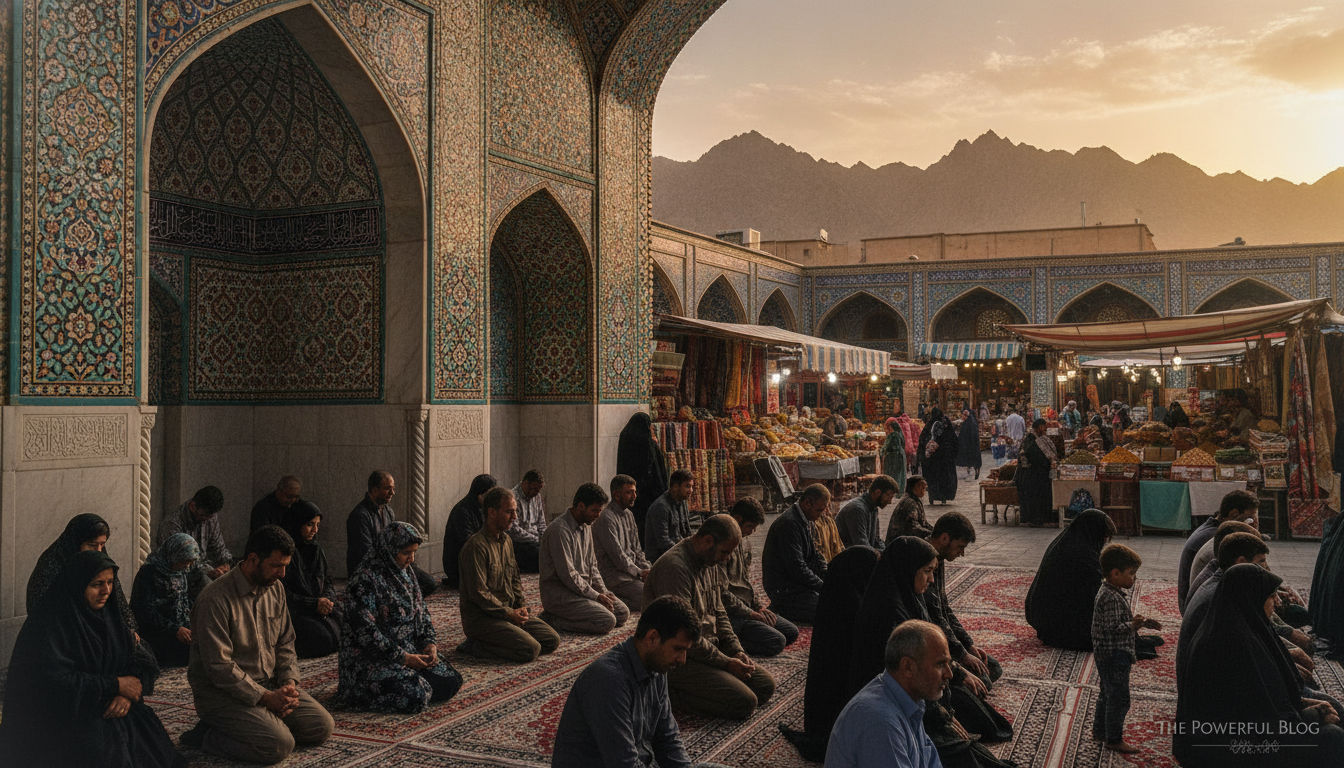
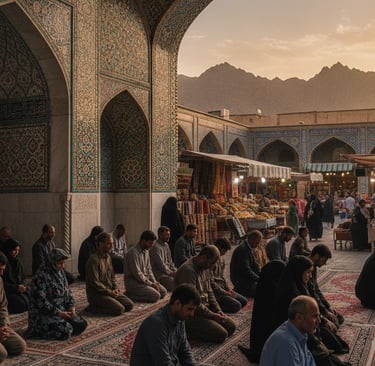
These groups have left their mark on Iran's architecture and knowledge for centuries. Their presence shows a long history of tolerance and shared experiences that still exist today.
Impact on Daily Life
Spirituality deeply affects daily life in Iran in many ways. It shapes the calendar, public holidays, and social events.
Religious values guide how people act in work and personal life. Studies on health and spiritual well-being show that these beliefs offer mental support during tough times.
Community cohesion grows through shared rituals and observances. These moments bring people together, creating a sense of belonging that goes beyond individual differences.
We suggest checking out more articles on www.thepowerfulblog.com. They explore how ancient traditions influence daily life in Iran today.
Arts and Entertainment
To truly understand the Iran living experience, one must engage with its rich artistic traditions. The creative spirit here is not just a hobby but a key part of identity. Through music and poetry, the culture invites us to explore the human condition.
Music and Dance
Music in Iran connects the ancient past with today. Traditional instruments like the tar and setar create beautiful sounds. These sounds are heard in both private and public settings.
Dance is also important, showing regional histories and communal joy. To learn more about these traditions, check out common Iranian entertainments that shape local culture.
Cinema and Theatre
The nation's cinema has won international praise for its storytelling. Directors use metaphors to tackle complex social issues. This makes the Iran living experience relatable and universal.
Theatre is also a powerful medium for dialogue. Stages across the country host a variety of performances, from classical to experimental.
"Art is the only way to run away without leaving home." - Twyla Tharp
Literature Scene
Literature is at the heart of Iranian culture, with a legacy spanning centuries. Poets like Hafez and Sa’adi are still widely read today. Their work shapes views on love, morality, and existence.
This love for literature means poetry is always present in daily conversations. For more insights, read articles on www.thepowerfulblog.com. Through art, we see the lasting beauty of the Iran living experience.
Fashion and Personal Identity
Clothing in Iran is more than just fabric; it's a deep statement of self. In the busy cities, how people dress shows a lot about the Iran lifestyle. It's a mix of following social norms and showing off one's own style.
Traditional Clothing
Iranian clothes have always been about modesty and local skills. Even with global trends, the manteau is still key for women. It lets them show their style while still being respectful.

"Style is a way to say who you are without having to speak." - Rachel Zoe
Modern Trends
Now, younger people are trying out new things like bright colours and tailored looks. These changes show how the Iran lifestyle is always growing. They mix modern fashion with old traditions.
Youngsters use scarves and jewellery to make their outfits unique. This shows a strong spirit that values both old and new. To learn more about how fashion reflects the Iran lifestyle, check out www.thepowerfulblog.com. It's amazing to see how fashion connects the past and present.
Language and Communication
To really get the pulse of Iranian society, you need to listen to the Persian language. It's full of centuries of meaning, poetic beauty, and history. Exploring this language gives us a special peek into the nation's soul.
Persian Language Overview
Persian, or Farsi, belongs to the Indo-Iranian branch of Indo-European languages. It's famous for its lyrical quality and has carried some of the world's greatest literature. Learning it is both fulfilling and challenging.
"The Persian language is a garden of metaphors, where every word is a petal in a larger, intricate design of human expression."
One big challenge for learners is the script. The alphabet is beautiful, but reading handwritten Persian is tricky because of its cursive style and different looks. Regular practice is key to getting the hang of it. For more language tips, check out www.thepowerfulblog.com.
Dialects and Variations
While standard Persian is widely spoken across Iranian society, the country boasts many regional dialects. These show the area's varied geography and history. Some notable ones include:
Tehrani: The standard dialect used in media and formal education.
Isfahani: Known for its unique melodic intonation and vocabulary.
Shirazi: Famous for its gentle, poetic rhythm.
Azeri and Kurdish: Spoken in certain provinces, adding to the national identity.
Knowing these regional differences helps us see the complexity of Iranian society. Each dialect has its own local pride and cultural heritage. By exploring these variations, we connect more deeply with the people we meet.
Travel Tips for Visitors
For those eager to grasp the Iran living experience, preparation and respect are key. Understanding the local culture is essential. It helps you see beyond the surface and truly experience the country.
Best Time to Visit
Choosing the right season is crucial for a comfortable trip. Spring (April to May) and autumn (September to October) are ideal. The weather is mild, perfect for exploring.
Summer is hot in the deserts, and winter is snowy in the north. The shoulder seasons offer a perfect balance for your trip. This way, you can enjoy the outdoors without extreme weather.
Essential Etiquette
Social interactions in Iran follow a complex code called Taarof. It may seem confusing at first. But embracing it shows respect for the locals.
In cities like Tehran, transport is often informal. Calling out your destination to passing cars is common. It's a unique part of daily life for many.
Category - Recommendation - Key Insight
Best Season - Spring or Autumn - Avoids extreme heat and cold
Local Transport - Shared Taxis - Call out your destination clearly
Social Norms - Practice Taarof - Politeness is highly valued
Dress Code - Modest Attire - Respect local cultural standards
Your journey will be shaped by the connections you make. Stay open-minded as you dive into the local culture. For more on the Iran living experience and travel tips, visit www.thepowerfulblog.com.
Challenges of Living in Iran
To truly understand what is it like to live in Iran, we must look at the big picture. The country has a rich history and a lively social scene. Yet, people face many challenges every day.
Economic Conditions
The economy is a big worry for many families. High inflation and sanctions make things tough. Financial stability is hard to keep when prices change a lot.
Despite these issues, Iranians are very resilient. Many work extra jobs or rely on family to get by. It's important to see how they manage their money in such tough times.
Political Climate
The political situation affects daily life a lot. Doing simple tasks can be hard because of strict rules and language barriers. A former political prisoner shares what life is like, showing the challenges people face.
The political climate also shapes how people live. They have to balance their freedom with what the government expects. This is a big part of what is it like to live in Iran, where personal and public lives often clash.
Bureaucratic complexity: Government offices can be tough to deal with.
Economic volatility: Keeping up with rising costs is a big worry for families.
Social adaptation: People find creative ways to live well despite challenges.
Looking at these challenges helps us appreciate the Iranian people's strength. For more balanced views, check out www.thepowerfulblog.com for articles on living conditions in Iran and other places around the world.
Final Thoughts
Our journey through Iran shows us the strength of the human spirit. Many people believe the world is only two days long. This view helps us appreciate the moment we're in.
Looking back at our time in Iran, we see a remarkable resilience. The warmth of the locals often stays with us. It shows us that connection is a universal language.
Understanding Iran requires an open mind and patience. We hope our insights help you see beyond common misconceptions. Each story adds to our understanding of this complex country.
We encourage you to keep exploring Iran. Read more on www.thepowerfulblog.com to learn more about global cultures. Your curiosity is key to uncovering truth in our world.
FAQ
Climate and Geography
The Iranian landscape is full of contrasts. From the Alborz mountains to the Dasht-e Kavir desert, the environment shapes life. The climate supports diverse farming, influencing local identities and food availability.
Cultural Richness
The culture in Iran is rich and complex. It combines ancient Persian and Islamic traditions. For more on Iranian culture, visit www.thepowerfulblog.com.
Urban vs. Rural Living
Tehran buzzes with energy, while villages in Kurdistan are peaceful. Cities offer modern life, while rural areas keep traditional ways alive.
Ancient Civilisations
Looking back, we see the Achaemenid and Sasanian empires' impact. These empires are key to Iran's identity, fostering national pride.
Recent Political Changes
The 1979 Revolution changed Iran's living conditions. We reflect on how politics has shaped society today. Learn more on www.thepowerfulblog.com.
Work and Employment
In cities like Karaj and Tabriz, work is competitive and modern. The workforce is educated but faces challenges due to economic pressures.
Education System
Education is vital in Iran. From the University of Tehran to local schools, academic achievement is prized. Learn more on www.thepowerfulblog.com.
Traditional Dishes
Iran's food is a key part of its culture. Dishes like Ghormeh Sabzi and Fesenjan are symbols of heritage. They require hours to prepare.
Eating Out vs. Home Cooking
The restaurant scene in Mashhad and Shiraz is lively. Yet, home-cooked meals are where true hospitality lies. Learn more on www.thepowerfulblog.com.
Dietary Restrictions
Following Halal rules is common. Yet, modern diets, like vegetarianism, are also gaining ground.
Importance of Family
Families are the heart of Iranian society. Multi-generational homes offer a sense of belonging, even as cities grow.
Social Interactions
Social life is guided by Taarof, a system of respect and humility. Understanding this is key to grasping Iranian society. Learn more on www.thepowerfulblog.com.
Major Religions in Iran
Shia Islam is the state religion, but minorities like Zoroastrians, Christians, and Jews also play a role. Their presence enriches Iran's spiritual landscape.
Impact on Daily Life
Spirituality deeply influences daily life. It shapes ethics and community gatherings. Learn more on www.thepowerfulblog.com.
Music and Dance
Music is a vital part of Iranian culture. From classical to rock, it resonates with the younger generation. Learn more on www.thepowerfulblog.com.
Cinema and Theatre
Iranian cinema has gained international acclaim. Directors like Asghar Farhadi and Abbas Kiarostami have made a mark. Learn more on www.thepowerfulblog.com.
Literature Scene
Poetry is at the heart of Iranian culture. The works of Hafez and Rumi are deeply valued. They bridge the past and present.
Traditional Clothing
Traditional clothes like the Chador reflect Iran's cultural diversity. They vary across provinces.
Modern Trends
In North Tehran, fashion blends tradition and modernity. Personal style reflects the broader Iran lifestyle. Learn more on www.thepowerfulblog.com.
Persian Language Overview
Farsi is a language of beauty. Its roots and script carry centuries of history. Learn more on www.thepowerfulblog.com.
Dialects and Variations
Iran's language diversity is vast. From Lori to Gilaki, it reflects the country's geography and ethnicity. Learn more on www.thepowerfulblog.com.
Best Time to Visit
Spring is the best time to visit, with mild weather and blooming landscapes. It coincides with Nowruz, the Persian New Year.
Essential Etiquette
Visitors should respect local customs, like dressing modestly. Understanding Taarof is key to a respectful visit. Learn more on www.thepowerfulblog.com.
Economic Conditions
The economy faces challenges like inflation and currency issues. Residents often work multiple jobs to make ends meet.
Political Climate
The political landscape is complex, affecting individual freedoms. Understanding these challenges offers a balanced view of life in Iran. Learn more on www.thepowerfulblog.com.
Living in Iran is marked by resilience and warmth. Our journey has shown the importance of living in the moment. Learn more on www.thepowerfulblog.com.
What is it like to live in Iran for a foreigner?
Living in Iran as a foreigner is a journey of hospitality. Visitors are often amazed by the kindness of strangers. Despite legal hurdles, the Iran living experience is safe and culturally rich.
How do the living conditions in Iran vary between cities?
Living conditions in Iran differ greatly. In Tehran, life is fast-paced with modern amenities. In smaller cities like Yazd, life is slower and more traditional.
What is the biggest challenge when considering life in Iran?
The biggest challenge is the economy. Inflation and sanctions make life expensive. Yet, Iranians find ways to maintain a good quality of life through local production and community support.
How does the culture in Iran influence daily interactions?
The culture in Iran is shaped by Taarof, a system of respect. It influences everything from business to everyday transactions. Understanding this is key to experiencing Iran.
Is the Iran living experience modern or traditional?
The Iran living experience is a mix of modern and traditional. The youth are tech-savvy, while traditional values are deeply rooted. This blend makes Iran unique.
What defines the daily life in Iran for a typical family?
Daily life in Iran centres around family and education. Evenings are for socialising or visiting parks. Despite economic challenges, family and community are prioritised.
The Powerful Blog © 2026
The Powerful Blog informs and inspires the generation of today and tomorrow through honest insights, emerging trends, and meaningful stories that shape our understanding of the world.
Reframe your inbox
Subscribe to our newsletter and never miss a blog.
We care about your data in our privacy policy.